Basement Leak Repair in Toronto & the GTA
Find the Source. Fix It Right. Keep It Dry.
What You Need to Know
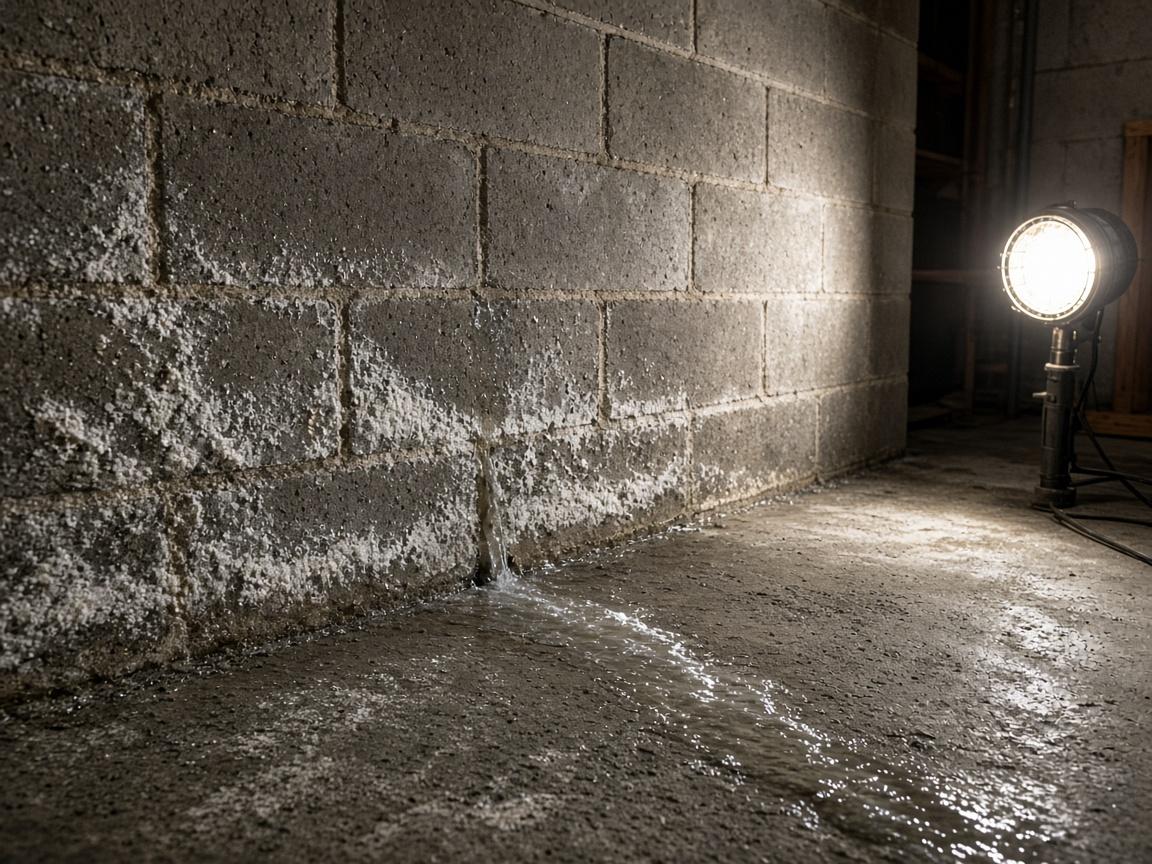
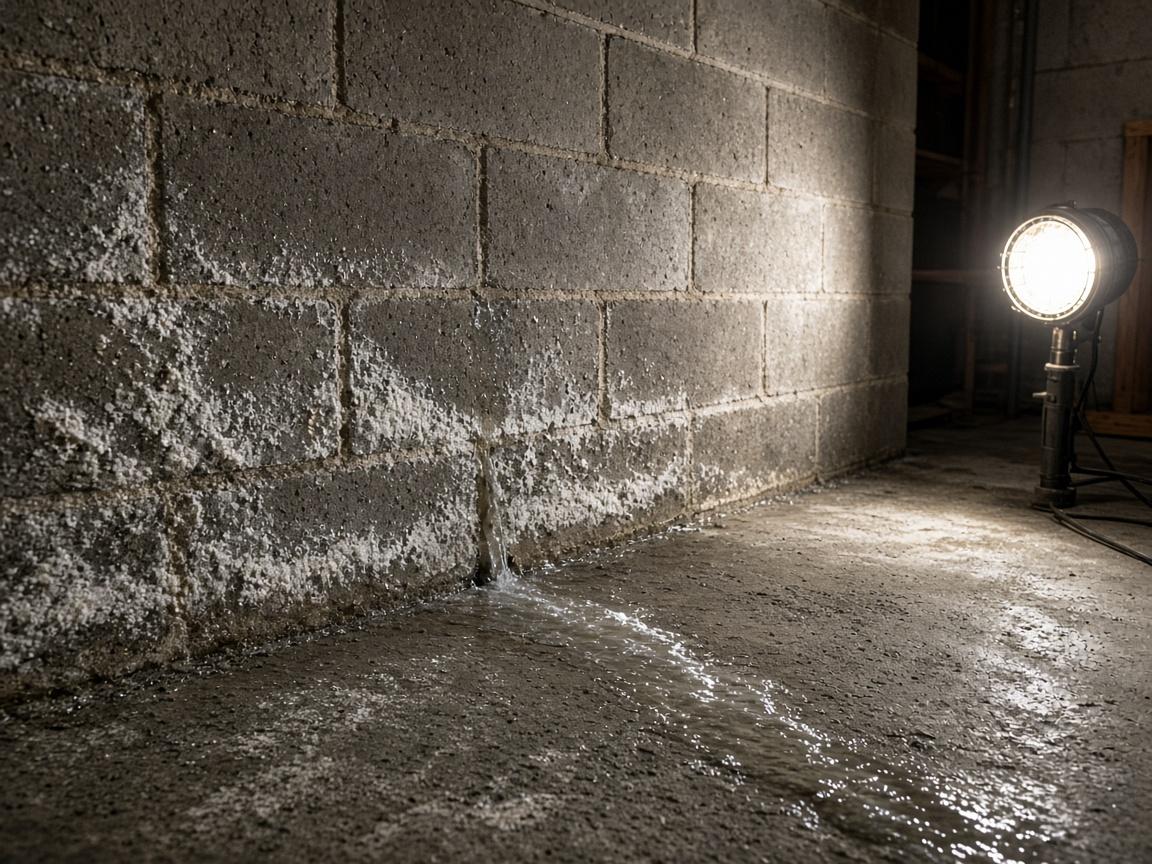
A leaking basement is one of the most frustrating property problems homeowners face — partly because water is incredibly good at finding unexpected paths, and partly because visible moisture isn't always directly above its source. Water that appears on a basement wall three feet from a window well may have entered through a crack ten feet away and travelled along the footing ledge before emerging.
Properly diagnosing a basement leak means tracing the water pathway back to its origin, not just patching where it shows up. Our technicians use moisture meters, thermal imaging, and flow pattern analysis to identify the actual entry point. This step alone prevents the most common basement waterproofing mistake: sealing the wrong location and wondering why it leaks again six months later.
Toronto basements leak through a finite set of pathways: wall cracks, tie rod holes, cove joints (where the floor slab meets the wall), window well drains, pipe penetrations, honeycombing in poured walls, and block wall mortar joints. Each requires a different repair technique. Getting the diagnosis right is what makes the repair stick.
Signs You May Need Leak Repair
Why It Happens: Common Causes
Cove Joint Failure
The joint where the basement floor slab meets the foundation wall is a construction joint — not a waterproof seal. Under hydrostatic pressure from a high water table, water pushes directly through this joint. This is the most common single source of basement water infiltration in Toronto.
Form Tie Rod Holes
Poured concrete foundations use tie rods to hold the formwork during construction. These rods are broken off and the holes are often only surface-patched. Over time, the patch spalls and water enters through the full depth of the rod hole — a direct through-wall penetration.
Deteriorated Window Well
Window wells without drainage gravel and a functioning bottom drain act as cisterns in heavy rain. The water level rises until it reaches and exceeds the window sill, entering through the frame, glazing seal, or wall-to-window interface.
Cold Joint Seepage
When concrete is poured in multiple lifts (a common practice), the interface between the older and newer concrete creates a cold joint — a plane of weakness that water migrates along under pressure.
Pipe Penetration Failures
Where plumbing, electrical conduit, or HVAC penetrations pass through the foundation wall, the annular space around the pipe is a chronic seepage point, especially when the original seal was hydraulic cement that has since shrunk or cracked.
Repair Methods & Typical Costs
Cove Joint Sealing System
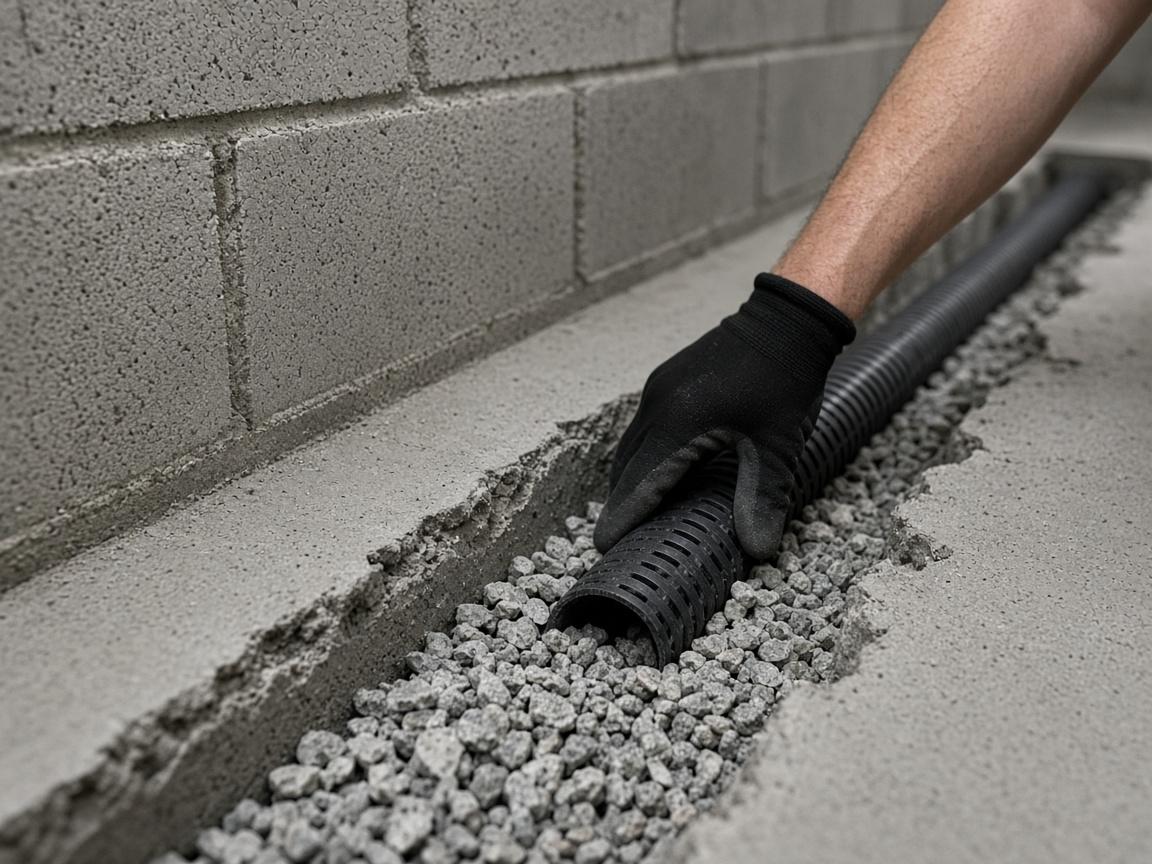
$60–$120 per linear footA perimeter drain channel is installed along the floor-wall junction to intercept water entering through the cove joint and redirect it to a sump. For less severe cases, a hydraulic cement cove fillet backed with crystalline compound provides long-term sealing.
Tie Rod Injection & Plug
$200–$400 per tie rodThe full-depth tie rod void is cleaned, injection ports are placed, and polyurethane foam is pressure-injected through the rod hole to fill the void entirely. The surface is finished with hydraulic cement and a crystalline cap.
Window Well Waterproofing
$800–$2,000 per window wellExisting well excavated, drainage gravel replenished or replaced, a perforated drain pipe connected to the weeping tile system, the window frame reseal with polyurethane caulk, and the well pan pitched to drain — not pool.
Pipe Penetration Grouting
$300–$600 per penetrationHydraulic expansion plugs and polyurethane injection restore a watertight seal around utility penetrations without removing the penetration itself.
Cost ranges are estimates based on Toronto-area market conditions. Actual pricing depends on scope, access, and site conditions. A written quote follows assessment.
Questions About Leak Repair in Toronto
Does sealing the cove joint fix a wet basement permanently?
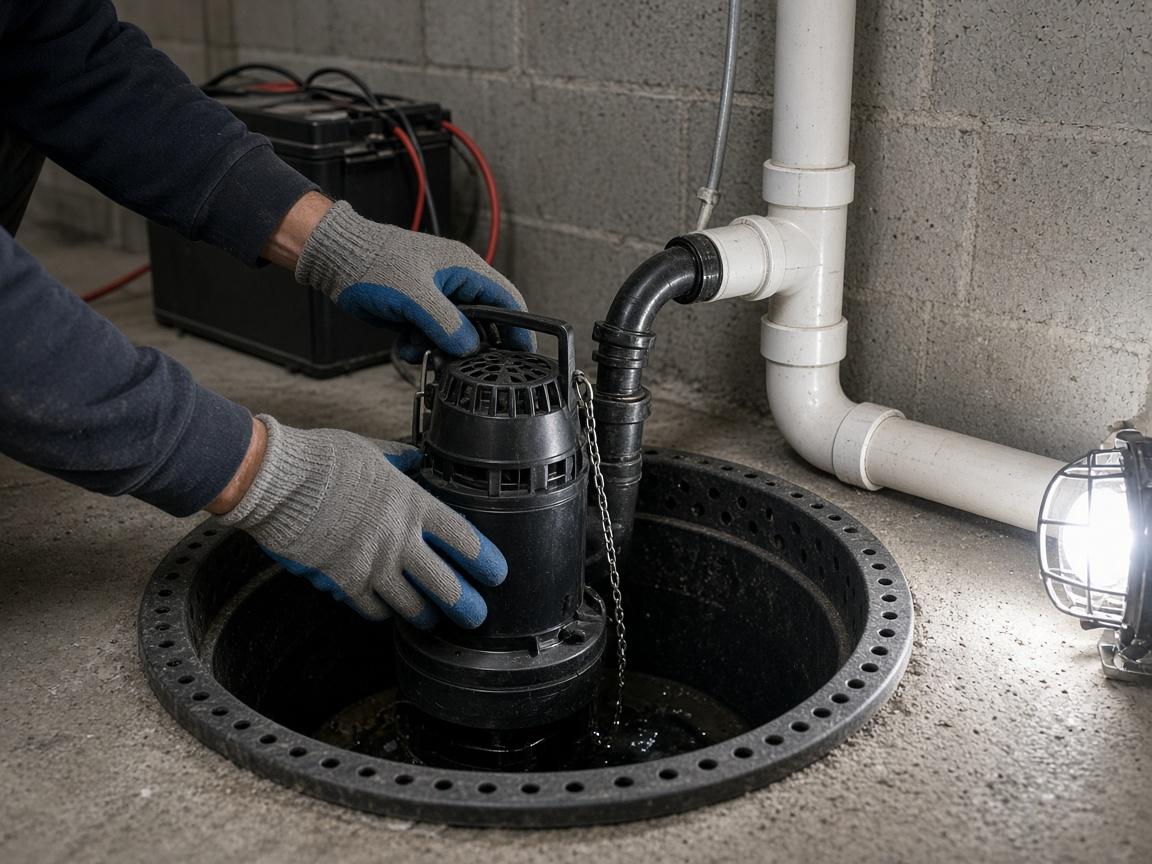
Sealing the cove joint with an interior drain system and sump pump effectively manages water that enters through this pathway indefinitely. It's a management solution — water is still entering the foundation, but it's being collected and expelled before reaching finished surfaces. For properties where the water table is consistently above the footing, this is often the most practical long-term approach.
My basement only leaks during heavy rain. Does that change the fix?
Yes. Rain-correlated leaks are almost always surface-source problems: surface runoff, disconnected downspouts, window well flooding, or high-point cracks just below grade. A leak that occurs during prolonged wet periods or spring thaw — regardless of whether it's raining — is more likely groundwater-table-driven. Different sources need different interventions.
Should I use Drylok or a paint-on waterproofing product?
Drylok and similar products are crystalline sealers, not waterproofing systems. Applied to a clean, dry wall, they can reduce diffuse moisture transmission through porous block or concrete. They will not hold against active water pressure through a crack, cove joint, or tie rod hole. They're a reasonable first step for mild condensation-related dampness, but not a substitute for proper drainage.
Get a Leak Repair Assessment
Tell us what you're seeing and we'll schedule an on-site visit.
Request Assessment(647) 370-0382What's Included
Ready to Fix Your Leak Repair Problem?
Toronto Foundation Repair Pros provides written foundation assessments across Toronto and the GTA. No pressure, no commission-based selling.