Foundation Settlement Repair in Toronto & the GTA
Uneven Floors and Tilting Walls Signal One Thing
What You Need to Know
Foundation settlement is the gradual downward movement of a foundation relative to its original position. Minor settlement is normal — essentially every structure settles somewhat during the first years after construction. But differential settlement — where different parts of the foundation settle at different rates — is what causes damage. When one corner drops two inches and the adjacent wall stays put, you get diagonal cracks, racked frames, sloped floors, and eventually, structural instability.
Toronto's diverse soil profile creates distinct settlement risks across the city. East York, Scarborough, and the old lake bed areas have soft silts and clays that consolidate under load over years or decades. Don Valley areas have fill soils that are inconsistently compacted. Properties built near ravines may have cut-and-fill grading that creates differential support conditions beneath the footing.
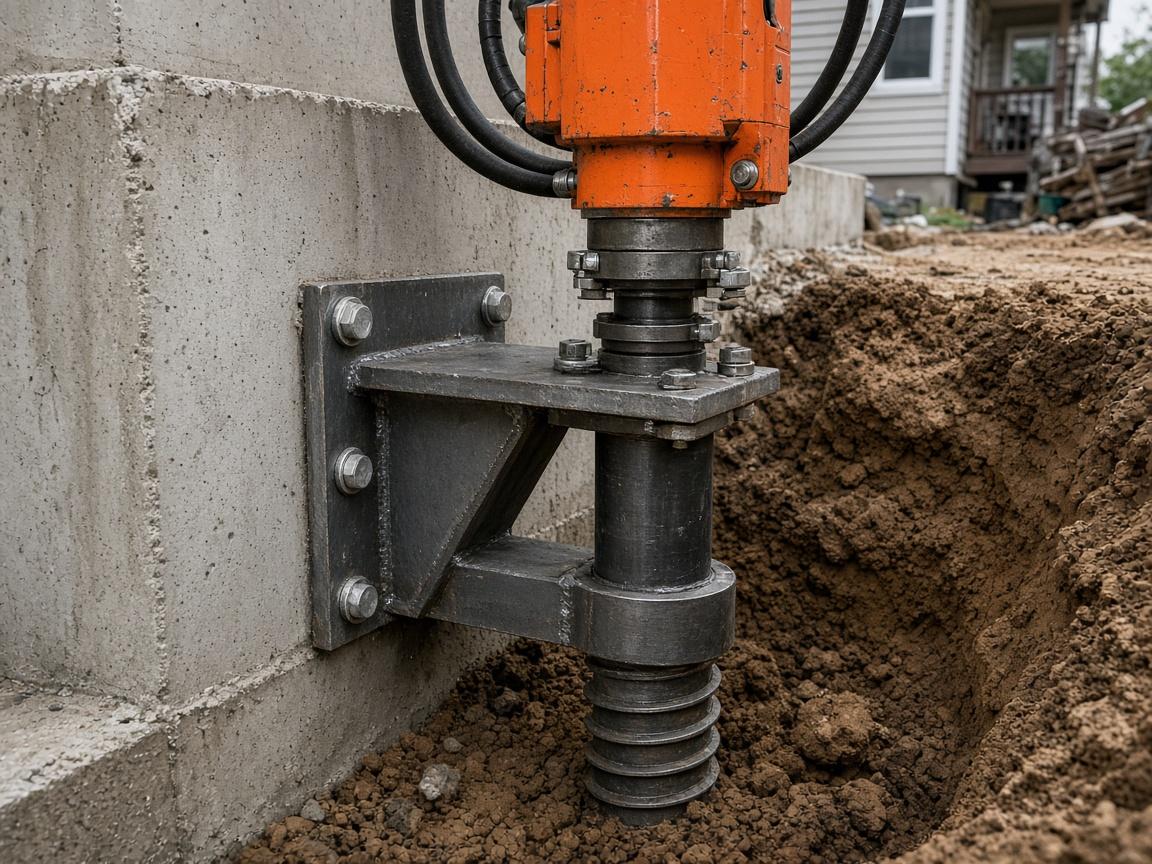
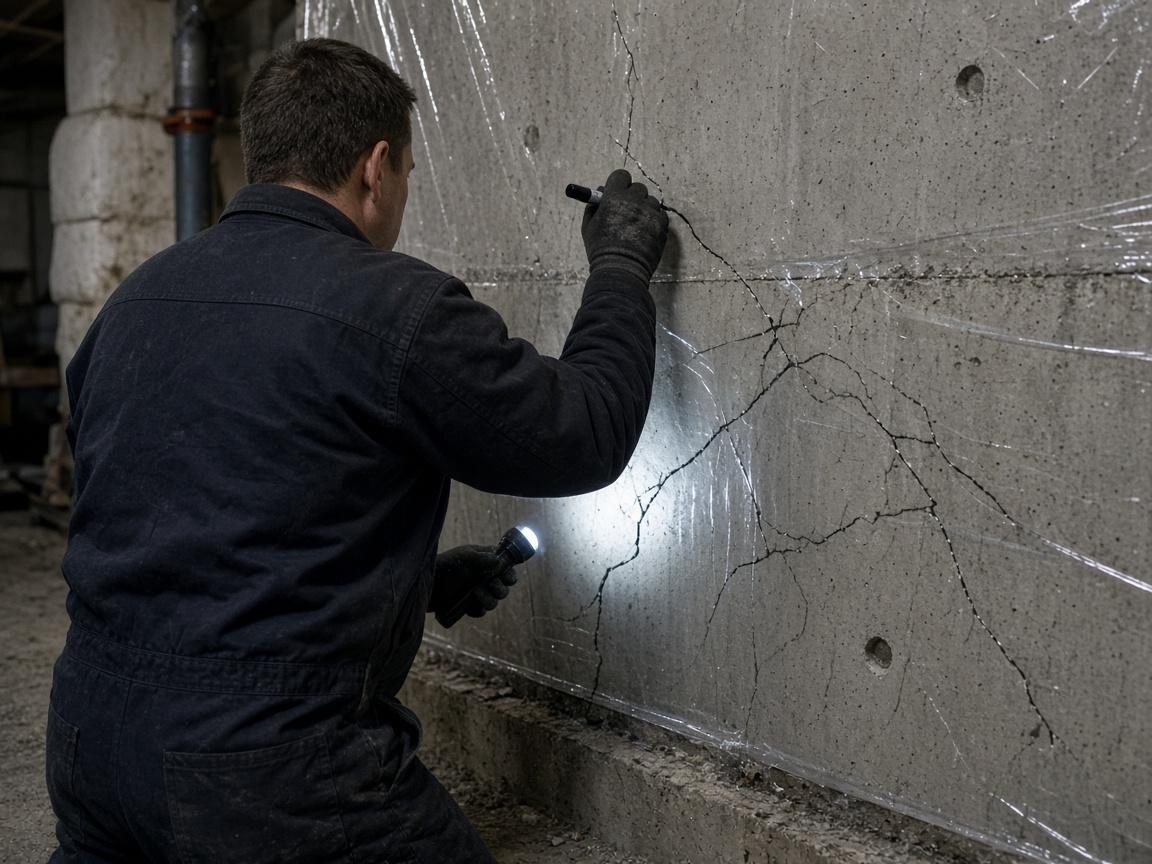
The critical first step in settlement repair is determining whether movement is still active. Helical and push piers driven to competent load-bearing strata can arrest active settlement and, in some cases, lift the foundation partially back toward its original elevation. But installing piers in an already-stable foundation adds unnecessary cost and complexity. We install settlement monitors and review crack patterns over time before recommending stabilization.
Signs You May Need Settlement Repair
Why It Happens: Common Causes
Organic Soil Decomposition
Fill soils that contain wood, demolition debris, or organic matter decompose over time, compressing under foundation loads. Common in Toronto neighbourhoods with former industrial or landfill history.
Clay Shrinkage & Swelling
Toronto's Leda clay shrinks dramatically when dried by tree roots or drought conditions, then swells back when rewetted. This cyclical volume change moves foundations seasonally.
Erosion of Underlying Soil
Broken water mains, persistent plumbing leaks beneath the slab, and failed sump systems can erode fine-grained soils beneath the footing, creating voids that the foundation then drops into.
Inadequate Original Bearing Depth
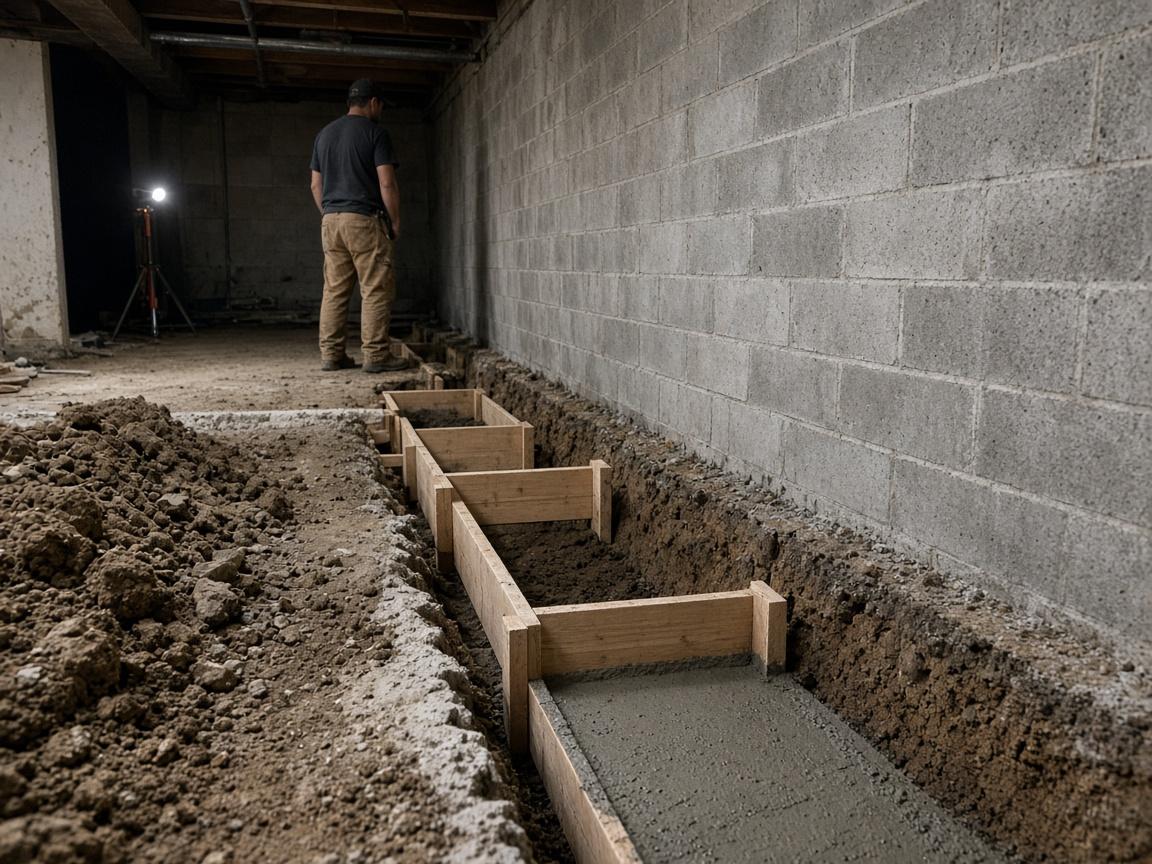
Older Toronto homes built before modern geotechnical standards have footings at inconsistent depths, sometimes bearing on soil that wasn't properly assessed for long-term load capacity.
Neighbouring Excavation
Construction on an adjacent property that excavates below your footing depth can relieve lateral soil support and trigger settlement or soil shear on your side of the property line.
Repair Methods & Typical Costs
Helical Pier Installation
$1,500–$3,000 per pierSteel helical piers are screwed into the soil by a hydraulic drive head mounted on a mini-excavator or, in tight spaces, a hand-held drive unit. Piers advance until they reach load-bearing strata or until the required torque-to-depth ratio confirms capacity. Brackets are then attached to the existing footing, and load is transferred to the piers.
Push Pier (Resistance Pier) Installation
$1,200–$2,500 per pierHydraulic rams push segmented steel pipe sections through the footing bracket into the soil until the required resistance is achieved. No helix — relies on end-bearing resistance in competent soil or rock. Faster installation per pier than helical in appropriate soil conditions.
Slab Lifting (Polyjacking)
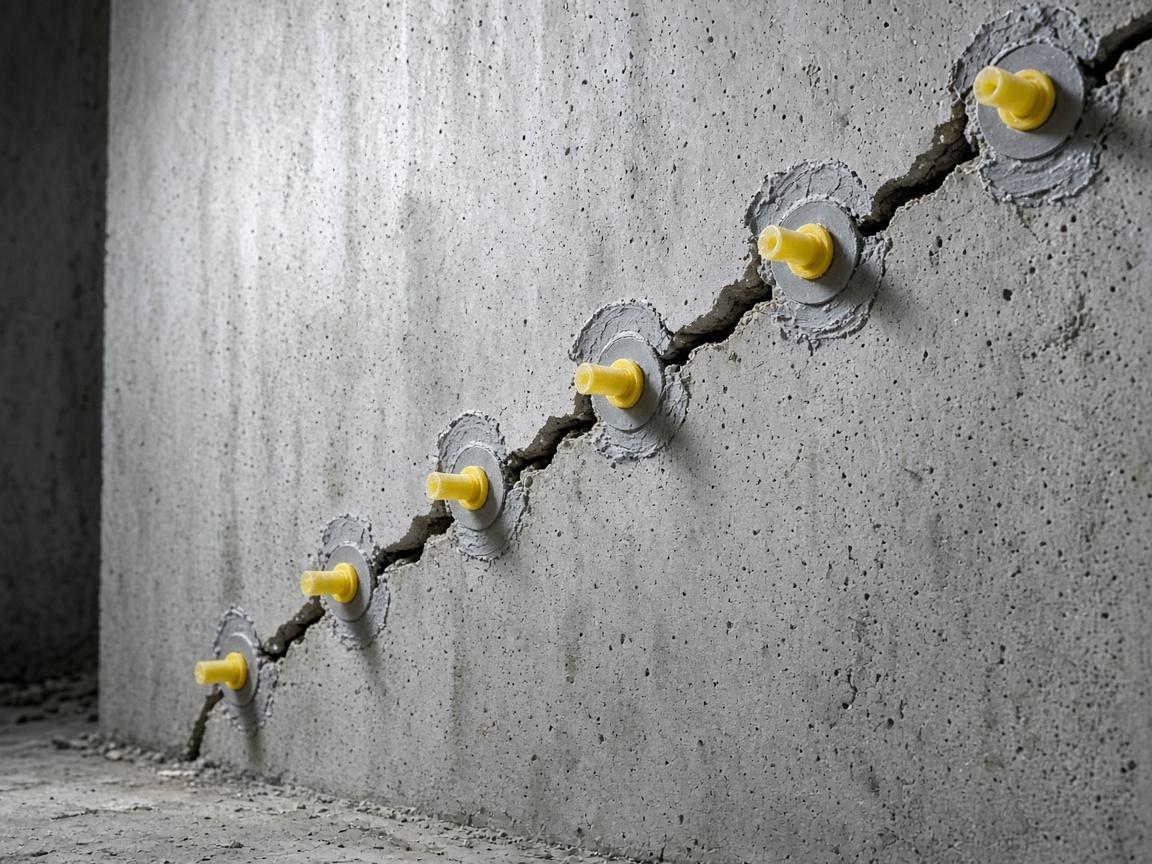
$5–$25 per sq ftExpanding polyurethane foam is injected through small drill holes in a settled concrete slab. The foam fills voids beneath the slab and lifts it back toward level. Non-structural slabs only — not a substitute for footing stabilization.
Soil Stabilization Grouting
$3,000–$10,000 per zoneCementitious or chemical grout is pressure-injected into voids beneath or adjacent to the footing to fill erosion cavities and densify loose soil. Used when the issue is localized void formation rather than global settlement.
Cost ranges are estimates based on Toronto-area market conditions. Actual pricing depends on scope, access, and site conditions. A written quote follows assessment.
Questions About Settlement Repair in Toronto
Can a settled foundation be lifted back to level?
Sometimes partially. Helical and push piers can generate enough upward force to lift a foundation toward its original elevation during pier installation. In practice, full restoration to original grade is rarely achievable, and attempting to lift more than a few millimetres risks damaging the structure above. The goal is stopping further movement and reaching a stable, structurally sound position.
How many piers does my foundation need?
Pier spacing depends on the load at each point (dead load from structure above), the pier's calculated capacity, and the extent of the settlement zone. A typical residential application ranges from 4 to 12 piers. We calculate the required number based on your specific loading condition — not a per-pier sales model.
How do I know if my settlement is still active?
We install crack monitors — simple tell-tale devices that measure crack width change over time — and pair them with floor level readings taken at multiple points. A 90-day monitoring period before committing to pier installation is standard practice for cases where movement rate is unknown.
Get a Settlement Repair Assessment
Tell us what you're seeing and we'll schedule an on-site visit.
Request Assessment(647) 370-0382What's Included
Ready to Fix Your Settlement Repair Problem?
Toronto Foundation Repair Pros provides written foundation assessments across Toronto and the GTA. No pressure, no commission-based selling.