Crawl Space Encapsulation in Toronto & the GTA
The Space You Never See Affects the Air You Breathe
What You Need to Know
Crawl spaces are the most neglected part of most Toronto homes — and the most consequential. A damp, open crawl space constantly exchanges humid, mold-laden air with the living space above through convection and pressure differentials. Research consistently shows that 40–60% of the air circulating in the first floor of a house originated in the crawl space. If your crawl space smells earthy, your house smells earthy too.
Traditional crawl space 'ventilation' — passive vents in the rim joist that allow outside air to flow through — has been disproven as an effective moisture control strategy in humid climates like Ontario's. The vents bring in warm, moisture-laden summer air that condenses on cooler structural surfaces, creating ideal mold conditions. Ontario's building code has moved away from vented crawl spaces in new construction for this reason. For existing homes, encapsulation is the retrofit solution.
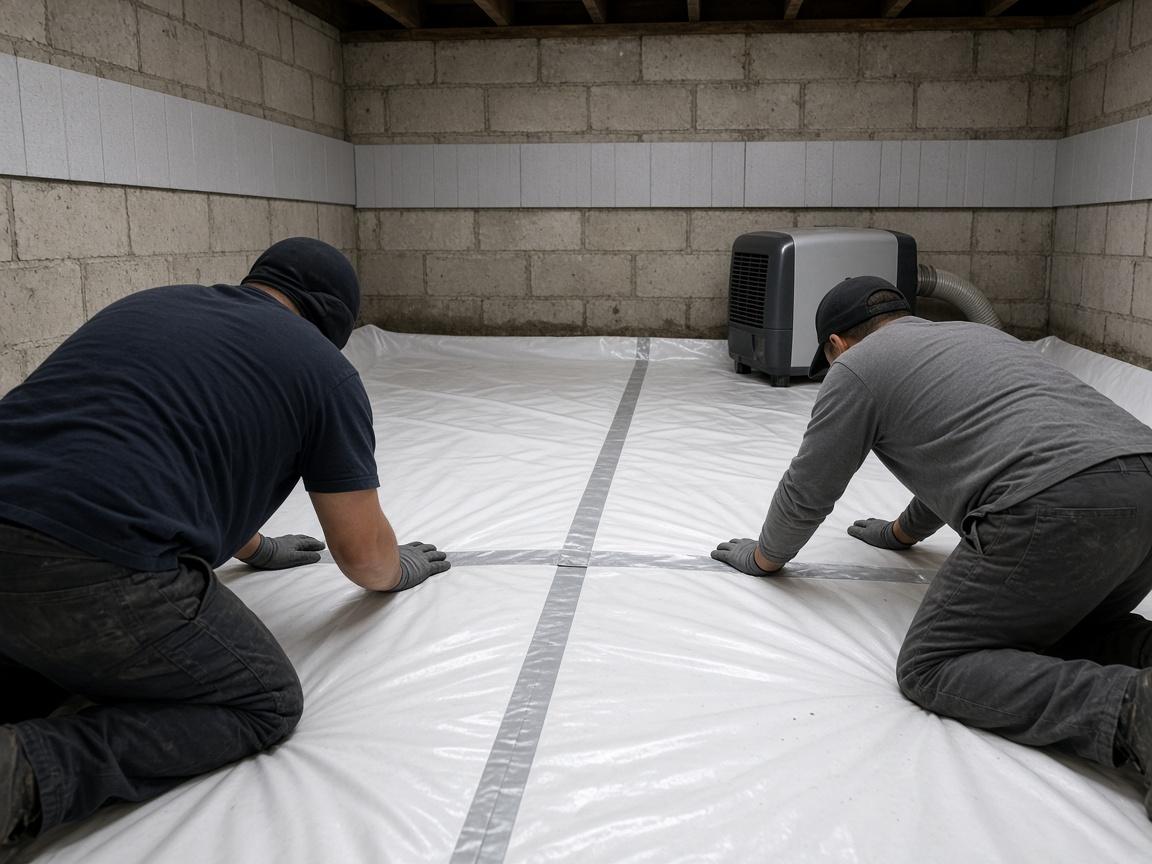
Full crawl space encapsulation means sealing the entire crawl space as a conditioned, dry zone: the floor is covered with a thick vapour barrier, the walls are insulated, the rim joist is sealed with spray foam, all vents are permanently closed, and a dedicated dehumidifier maintains humidity below the mold threshold. The result is a dry, clean space that improves structural longevity, reduces heating and cooling costs, and permanently ends the damp basement smell.
Signs You May Need Crawl Space
Why It Happens: Common Causes
Open Dirt Floor
Bare soil in a crawl space releases moisture continuously — a 1,000 sq ft crawl space can emit up to 10–15 litres of water vapour per day into the structure above.
Open or Vented Rim Joist
The rim joist assembly is the most common thermal weak point and air infiltration pathway in a crawl space. An uninsulated rim joist contributes disproportionately to both heat loss and moisture entry.
Passive Foundation Vents
Building codes once required these vents. We now know they create more moisture problems than they solve in humid Ontario summers. Sealing them is step one of any encapsulation project.
Failed Vapour Barrier
Thin polyethylene sheets (6 mil) commonly installed under insulation deteriorate, tear at seams, and don't lap properly against walls — leaving large areas of exposed soil.
No Drainage System
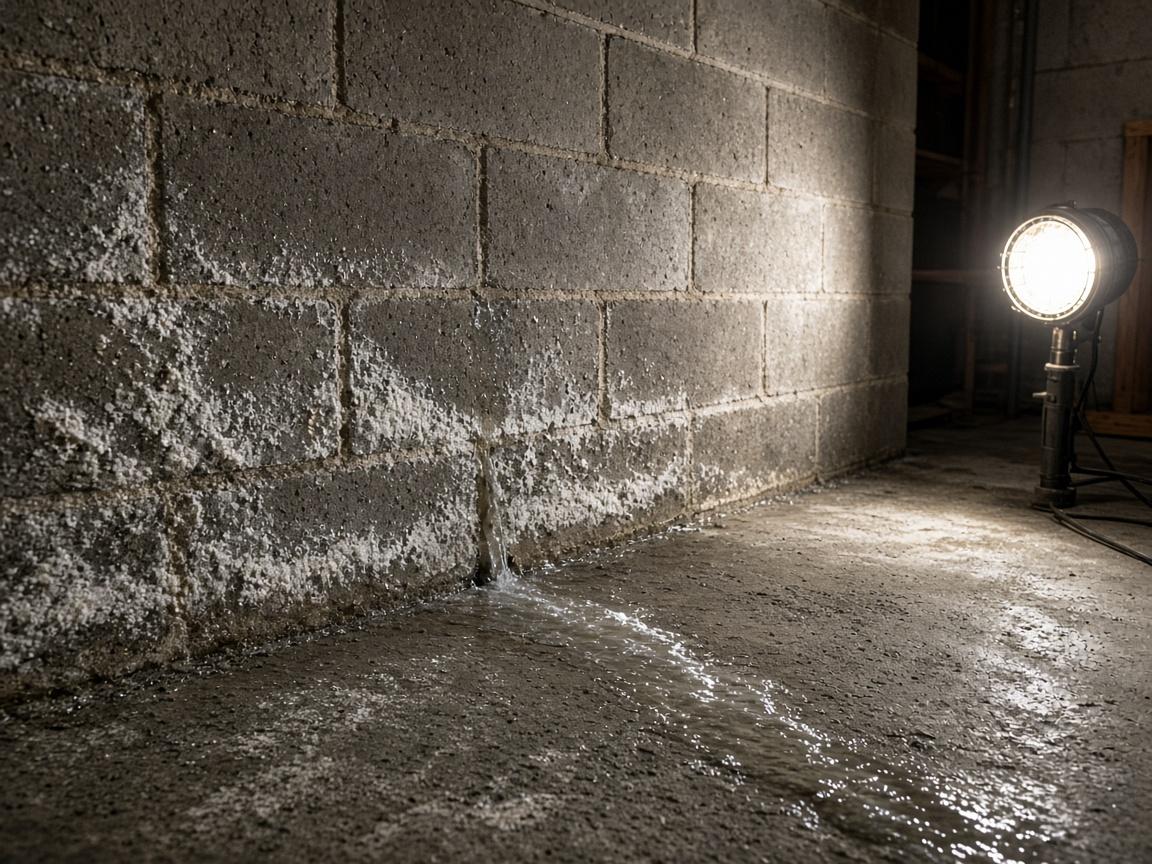
Crawl spaces that accumulate water from perimeter seepage or plumbing leaks with no drain route create standing water conditions that saturate structural wood within weeks.
Repair Methods & Typical Costs
20-Mil Reinforced Vapour Barrier
$3–$6 per sq ftA commercial-grade, reinforced polyethylene liner is installed across the crawl space floor and up the walls to above the waterline, with sealed seams and mechanical fastening at the perimeter. Dramatically thicker and more durable than standard polyethylene sheeting.
Rim Joist Sealing & Insulation
$8–$15 per linear foot of rim joistAll existing passive vents are closed and sealed. The rim joist assembly is sealed with low-expansion spray foam, followed by rigid foam insulation board (typically 2 or 3 inches of polyisocyanurate) for thermal performance.
Crawl Space Dehumidifier
$1,200–$2,500 installedA dedicated crawl space dehumidifier (different from portable home units — designed for continuous operation in low-headroom, low-temperature environments) maintains relative humidity below 55% year-round.
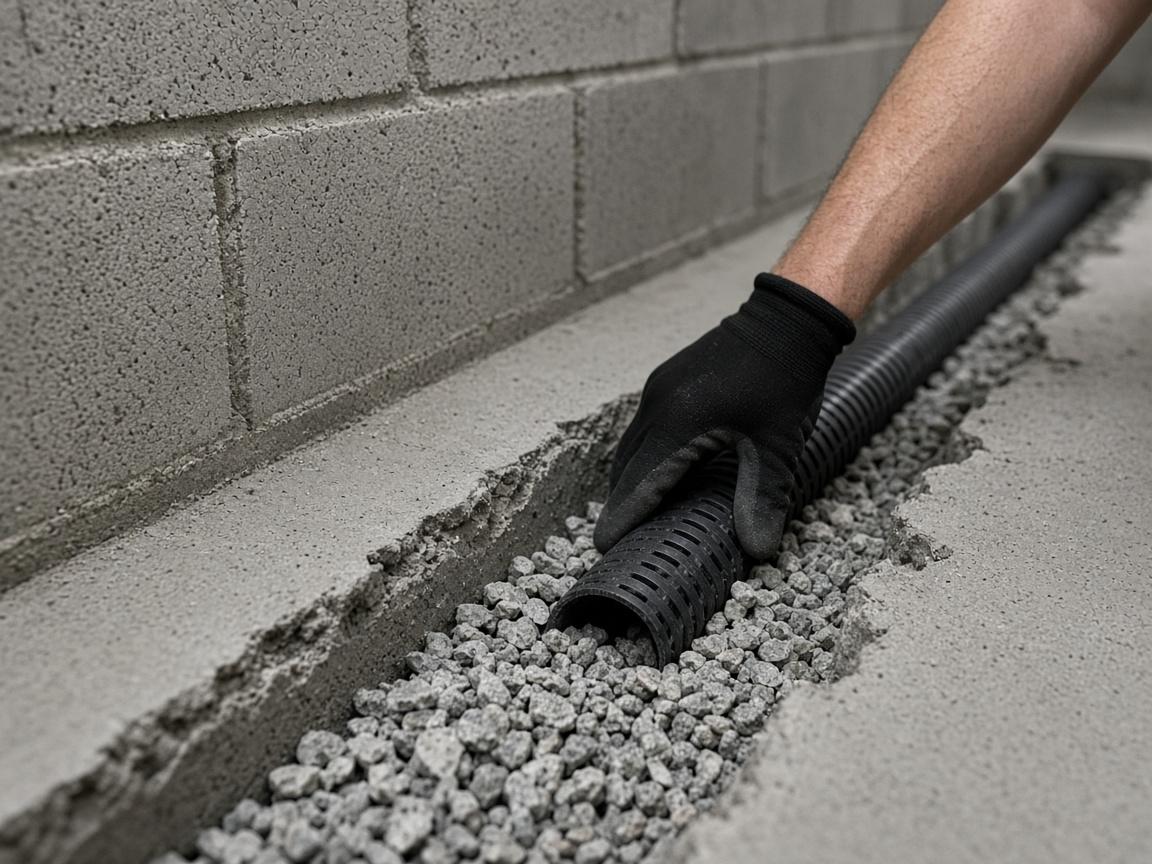
Perimeter French Drain
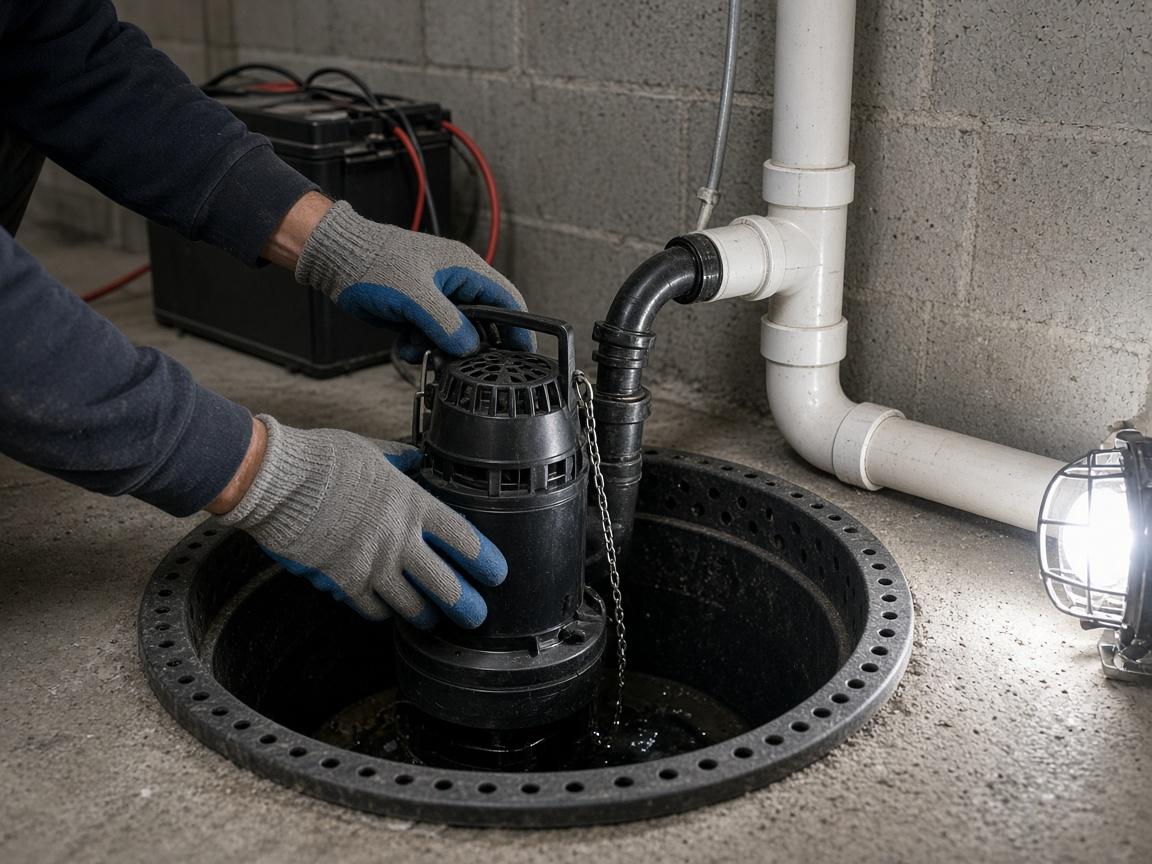
$50–$90 per linear footFor crawl spaces with periodic water entry, a perimeter drain channel under the vapour barrier routes water to a sump pit, keeping the liner dry even during wet periods.
Rigid Wall Insulation
$4–$9 per sq ftRigid foam insulation panels installed on the interior crawl space walls (rather than between the floor joists above) create a more energy-efficient thermal boundary and are required for full code-compliant encapsulation.
Cost ranges are estimates based on Toronto-area market conditions. Actual pricing depends on scope, access, and site conditions. A written quote follows assessment.
Questions About Crawl Space in Toronto
Does crawl space encapsulation require a permit?
In most Toronto-area municipalities, closing existing foundation vents requires a building permit because it changes the original permitted design. Adding insulation above code minimums may also require a permit. We assess the permit requirement for your specific property and municipality and handle applications where required.
How long does crawl space encapsulation last?
A properly installed 20-mil reinforced liner and foam-sealed rim joist will last 25+ years without major maintenance. The dehumidifier requires filter cleaning and periodic service, typically every 1–2 years.
Will encapsulation improve my air quality upstairs?
Almost universally yes. Studies show significant reductions in airborne mold spore counts in living spaces above encapsulated crawl spaces. If you've noticed allergy symptoms, musty odours, or respiratory issues that seem worse at home, crawl space moisture is a frequent contributor.
Get a Crawl Space Assessment
Tell us what you're seeing and we'll schedule an on-site visit.
Request Assessment(647) 370-0382What's Included
Ready to Fix Your Crawl Space Problem?
Toronto Foundation Repair Pros provides written foundation assessments across Toronto and the GTA. No pressure, no commission-based selling.