Foundation Crack Repair in Toronto & the GTA
Stop Cracks Before They Become Catastrophes
What You Need to Know
Foundation cracks are the most common call we receive — and the one most often misread by homeowners. Not every crack signals structural failure, but every crack deserves a professional read. The difference between a shrinkage crack you can seal with an inexpensive epoxy injection and a horizontal crack indicating active lateral pressure can be the difference between a $600 fix and a $40,000 wall rebuild.
Poured concrete foundations in Toronto crack for several reasons: plastic shrinkage during the original cure, freeze-thaw cycling, hydrostatic pressure from saturated soils, settlement, and seismic loading. Each crack type leaves a distinctive signature that trained technicians can interpret. Horizontal cracks are structural red flags. Diagonal cracks at window corners usually indicate differential settlement. Hairline vertical cracks in poured walls are typically benign but allow water infiltration if left open.
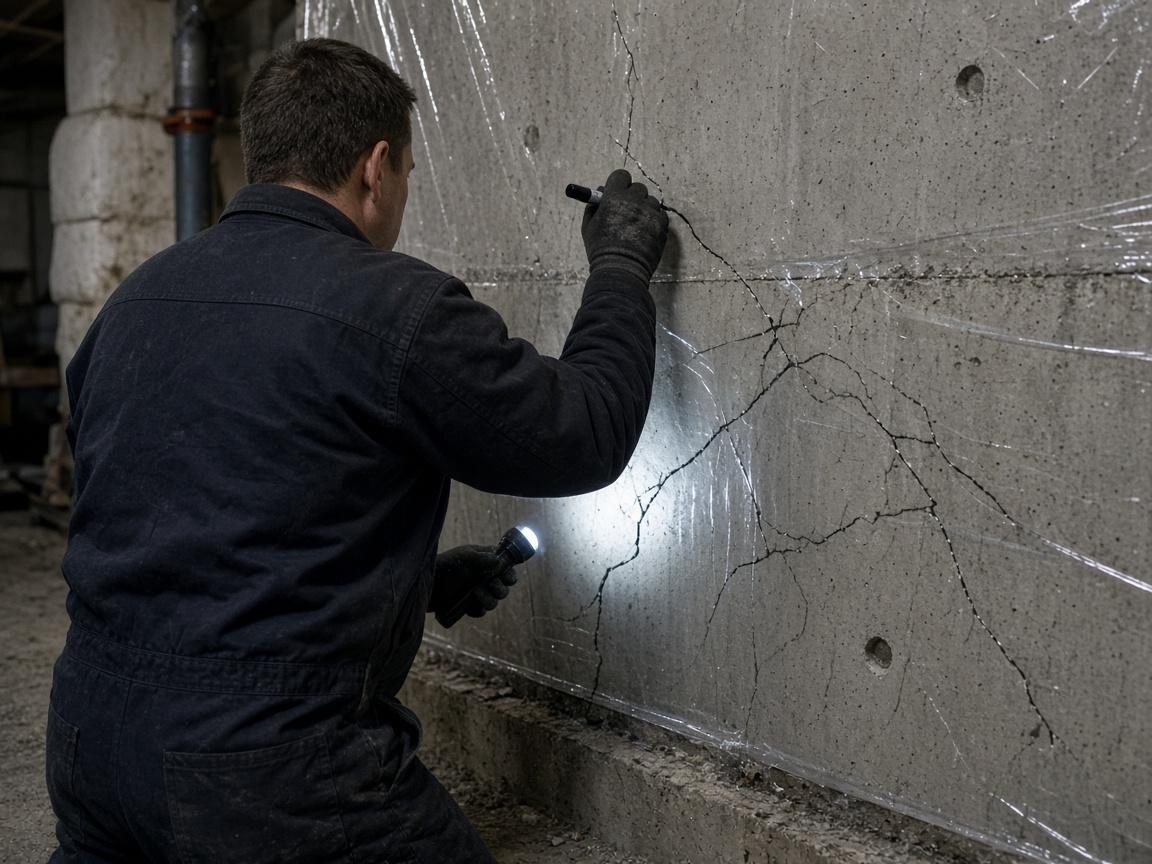
We classify every crack before we touch it. Our process starts with a full inspection of the crack's width, length, pattern, orientation, and whether it's active (still moving) or dormant. Active cracks need to be stabilized before sealing — otherwise, the seal breaks again within months. Dormant cracks can be permanently sealed with the right injection material.
Signs You May Need Crack Repair
Why It Happens: Common Causes
Plastic Shrinkage
Concrete shrinks as it cures. In newer homes, hairline vertical cracks often appear within the first 2–5 years — especially in poured walls with high water-to-cement ratios or poor curing conditions.
Freeze-Thaw Cycling
Toronto averages over 40 freeze-thaw cycles per year. Water in concrete pores expands when frozen, widening existing micro-cracks and initiating new ones — especially in foundations built before air-entrainment was standard.
Hydrostatic Pressure
Saturated clay soils exert enormous lateral pressure against foundation walls. Over time, this pressure opens cracks horizontally — the most serious crack pattern in residential foundations.
Differential Settlement
When one section of a foundation settles more than an adjacent section, diagonal tension cracks open at points of stress concentration — typically at window corners and wall transitions.
Tree Root Intrusion
Large trees near the foundation draw moisture from surrounding soil, causing clay to shrink and the foundation to sink unevenly. The roots themselves can also directly compromise footings.
Poor Original Construction
Form tie rods left without proper sealing, cold joints between pours, and honeycombing from inadequate vibration during placement are construction defects that create persistent crack pathways.
Repair Methods & Typical Costs
Epoxy Injection
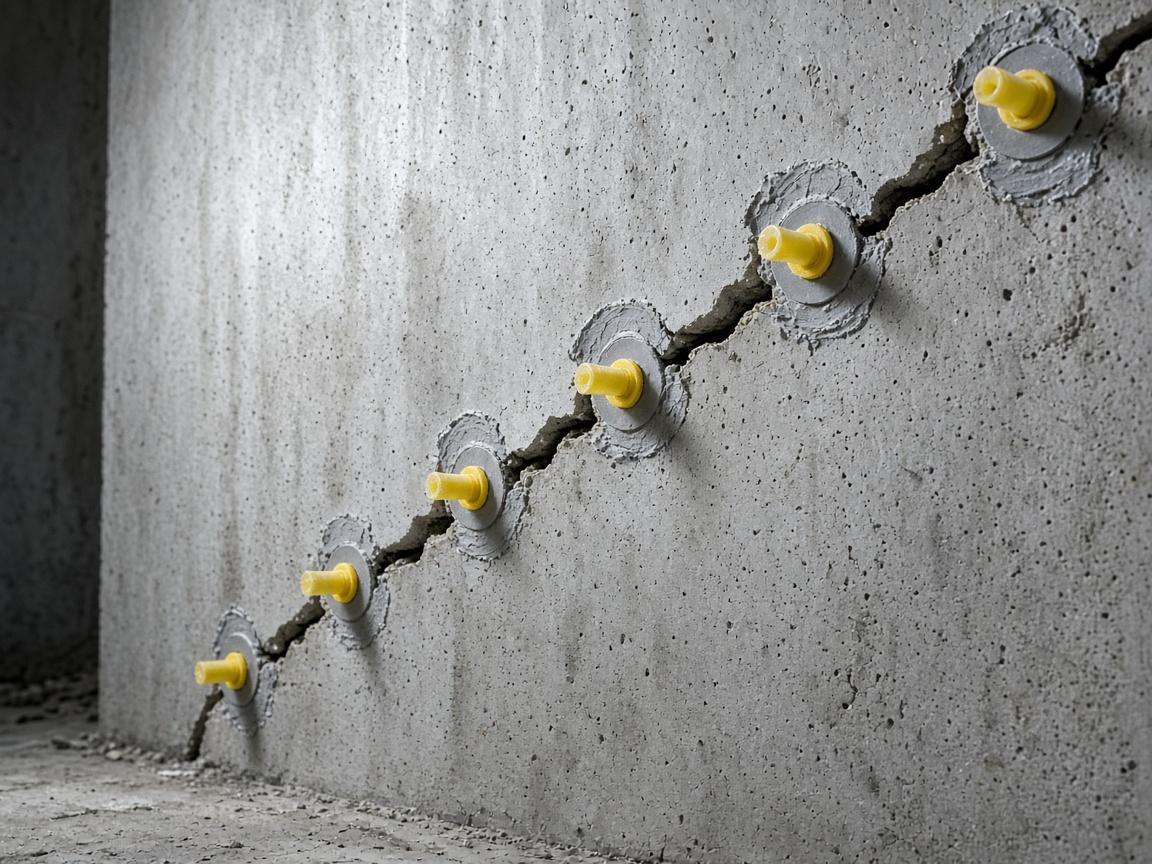
$400–$800 per crackA two-part structural epoxy is pressure-injected into the crack, fully bonding the concrete on both sides. The cured epoxy is actually stronger than the surrounding concrete. Best for dormant, dry cracks. Fast, clean, and minimally invasive.
Polyurethane Foam Injection
$350–$700 per crackA flexible urethane foam is injected into active cracks that may still be moving slightly, or cracks with water infiltration. The foam expands on contact with moisture and creates a watertight seal that moves with the crack. Ideal for wet basements.
Carbon Fibre Strap Reinforcement
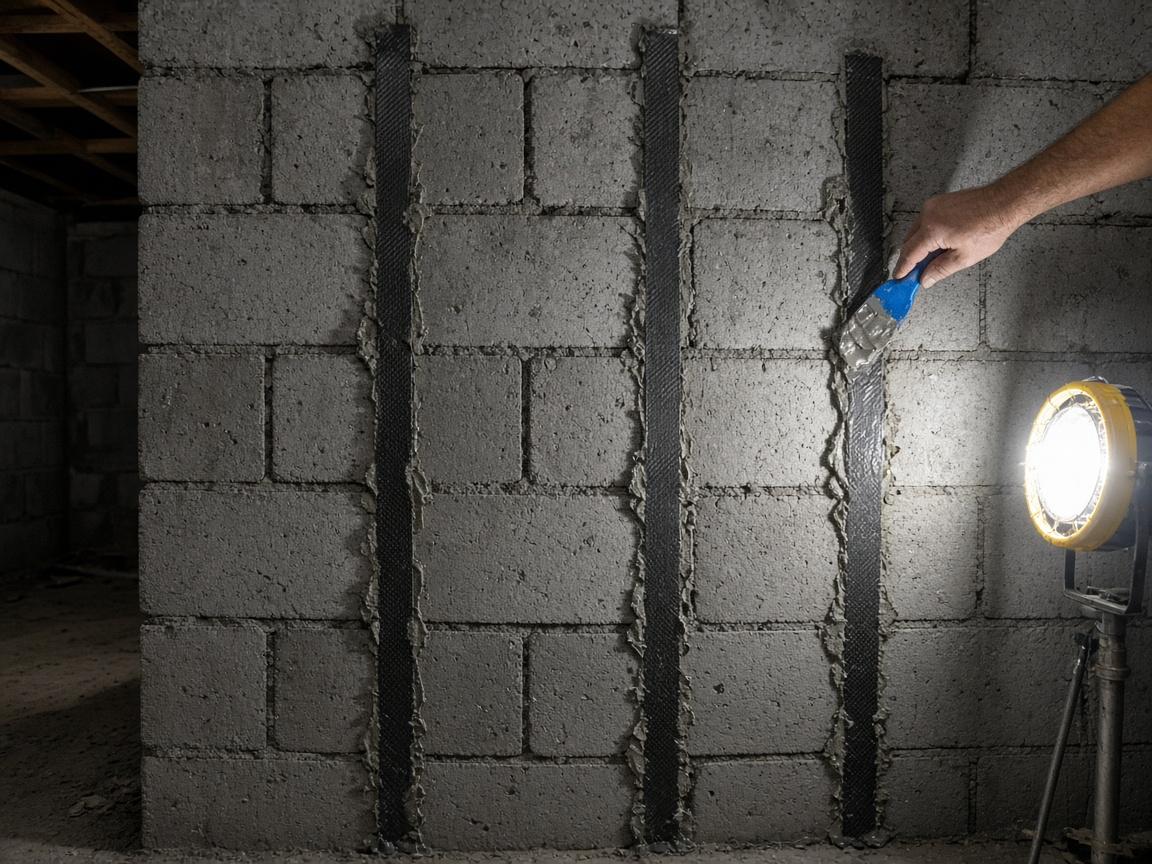
$300–$600 per strapFor horizontal or diagonal cracks indicating active movement, epoxy or foam alone isn't enough. Carbon fibre straps are bonded across the crack and into the wall, adding tensile strength that resists further opening.
Hydraulic Cement Patching
$150–$400 per areaA rapid-setting hydraulic cement is used to seal active water infiltration points and large voids in block or stone foundations. Not a structural fix on its own, but effective as part of a waterproofing system.
Crystalline Waterproofing
$8–$15 per sq ftA cementitious compound applied to the interior or exterior wall surface. Crystals grow into capillary pathways in the concrete and block water transmission permanently — even under hydrostatic pressure.
Exterior Excavation & Membrane
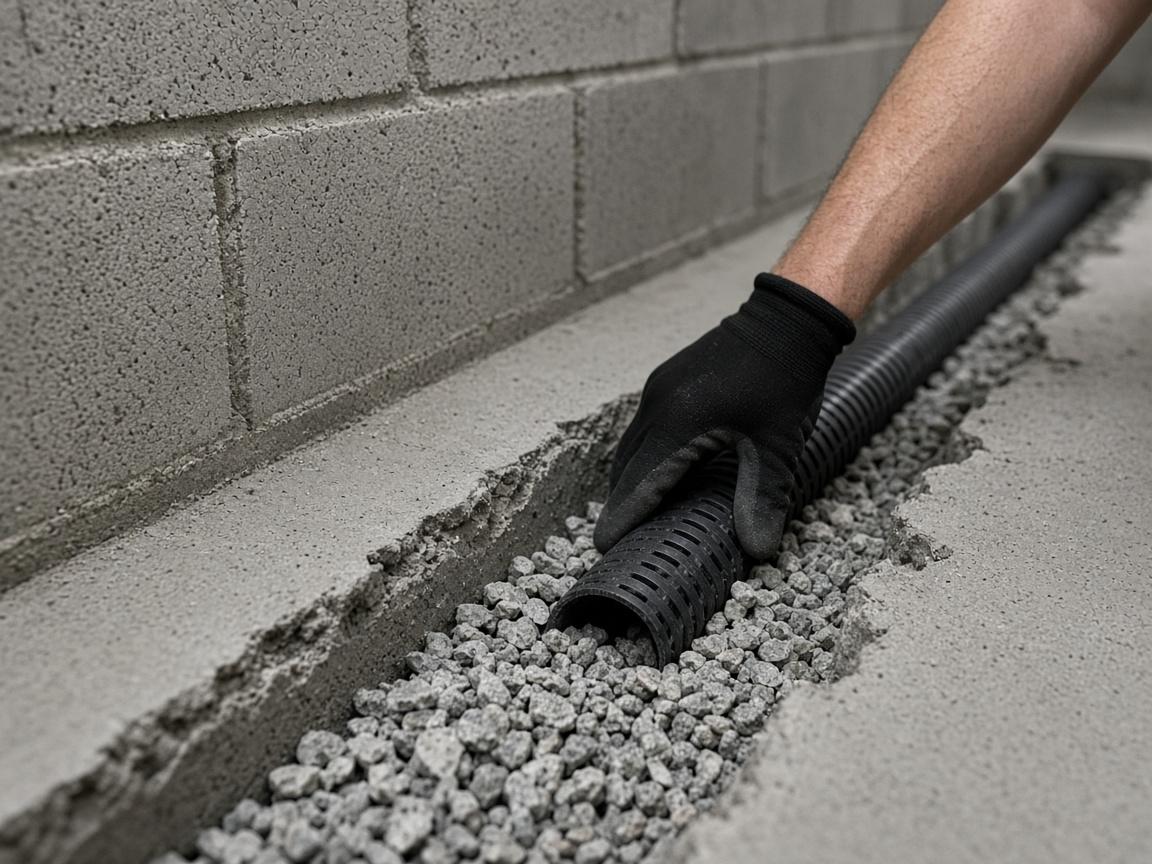
$150–$300 per linear footFor severely compromised walls with multiple cracks or significant water infiltration, full exterior excavation allows us to apply a waterproof membrane directly to the foundation face and install new drainage board and weeping tile.
Cost ranges are estimates based on Toronto-area market conditions. Actual pricing depends on scope, access, and site conditions. A written quote follows assessment.
Questions About Crack Repair in Toronto
Can I seal a foundation crack myself with hydraulic cement from Home Depot?
For a hairline shrinkage crack with no water infiltration, a surface sealant can slow moisture transmission. But hydraulic cement applied at the surface doesn't penetrate deep enough to fully stop water under pressure, and it won't address structural movement. Epoxy or polyurethane injection done by a professional fills the full depth of the crack — typically 8–10 inches — and creates a proper bond or flexible seal.
How long does crack injection last?
Epoxy injection into a dormant crack creates a permanent, structural bond. Polyurethane foam injection into an active crack remains effective for 15–25 years in most conditions. If the crack is still moving due to ongoing settlement, the repair may need to be revisited — which is why we check for active movement before selecting a method.
Do I need a permit to repair foundation cracks in Toronto?
Not typically. Crack injection and surface sealing are routine maintenance activities that don't require a building permit. However, if we identify that the crack is symptomatic of structural failure requiring wall anchors, I-beams, or underpinning, those scope items may require a permit.
Will my homeowner's insurance cover foundation crack repair?
Most standard homeowner's policies in Ontario exclude foundation movement and seepage as maintenance issues. However, if a specific sudden event caused the crack — like a burst pipe or a vehicle impact — you may have a claim. We provide detailed written documentation of deficiencies that can support an insurance submission if applicable.
Get a Crack Repair Assessment
Tell us what you're seeing and we'll schedule an on-site visit.
Request Assessment(647) 370-0382What's Included
Ready to Fix Your Crack Repair Problem?
Toronto Foundation Repair Pros provides written foundation assessments across Toronto and the GTA. No pressure, no commission-based selling.