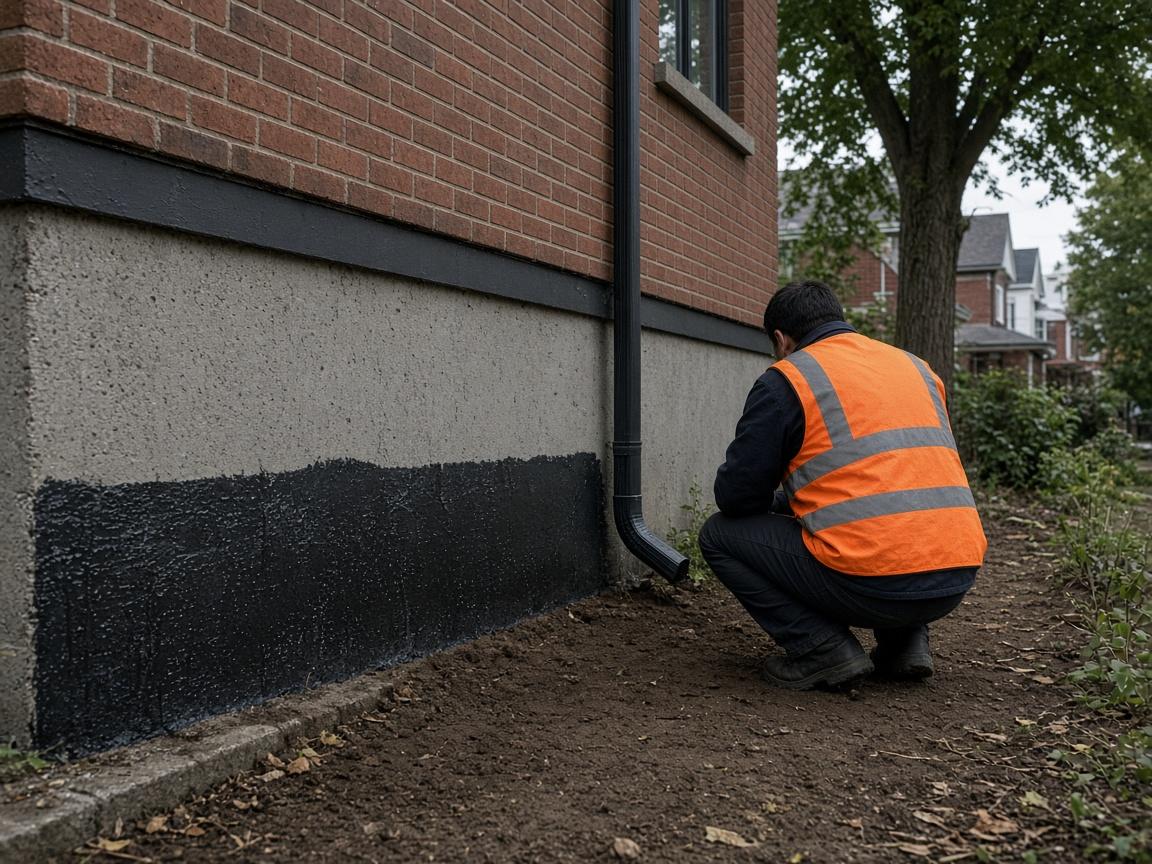
Wet Basement Solutions in Toronto & the GTA
Persistent Moisture Needs a Permanent Answer
What You Need to Know
Persistent basement moisture is a multi-source problem — and the source determines the solution. Homeowners often call us after spending money on one fix that didn't work, simply because the wrong root cause was targeted. We see this with DIY Drylok applications on walls that are leaking through the floor, and with interior drain systems installed for moisture that was actually condensation.
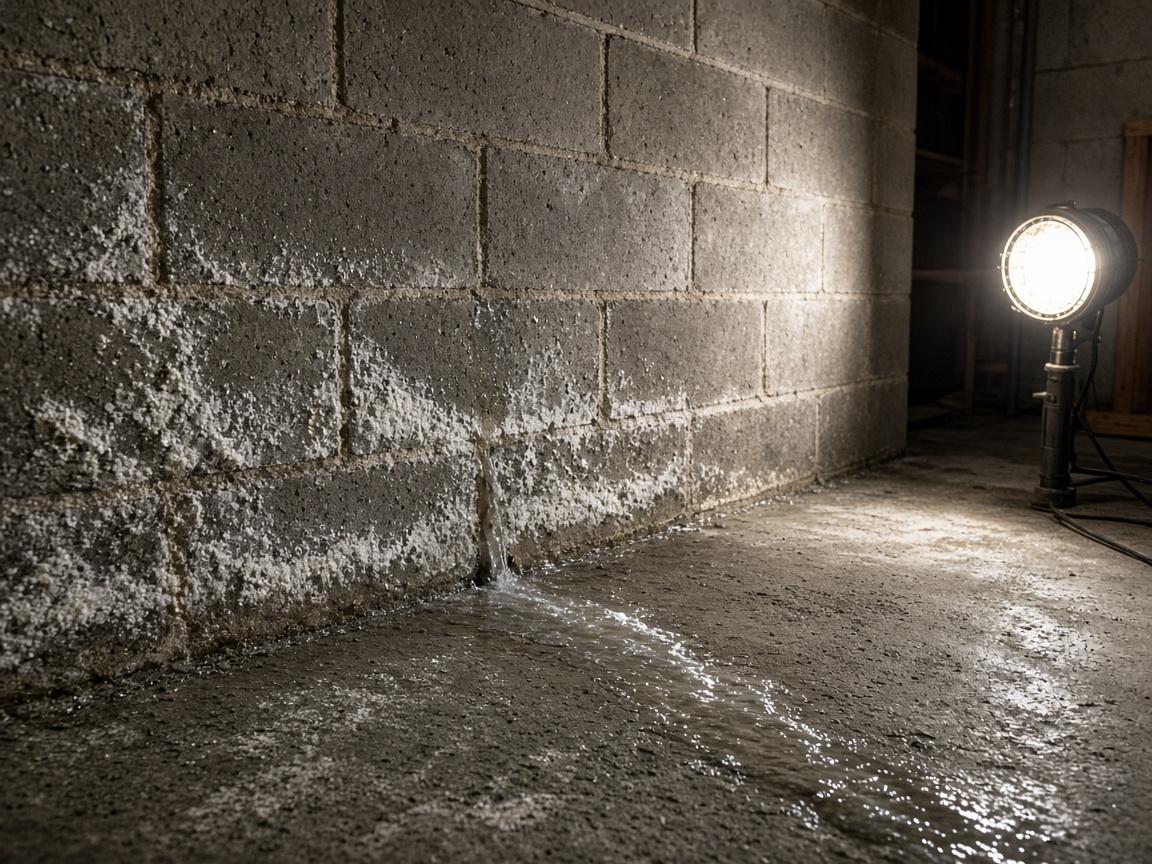
Before recommending anything, we assess your basement's moisture sources systematically. Condensation — warm humid air contacting cold surfaces — looks identical to seepage to the naked eye. We test with a piece of plastic sheeting taped to the wall for 48 hours: moisture on the room side means condensation, moisture on the wall side means seepage. The difference determines everything about the solution.
Chronic basement dampness in Toronto comes from a combination of sources for most properties: imperfect grade and downspout direction, aging weeping tile that no longer properly drains, cracks or tie rod holes in the wall, and a seasonally elevated water table. Addressing only one source typically produces partial improvement. A complete solution addresses the full contributing system.
Signs You May Need Wet Basement
Why It Happens: Common Causes
High Seasonal Water Table
Properties in low-lying Toronto neighbourhoods — particularly near the Don Valley, Humber River tributaries, and Lake Ontario shoreline — experience significant seasonal water table rise that directly pressurizes basement floors and lower wall sections.
Condensation (Humidity, Not Seepage)
Cold basement walls in summer attract warm humid air, which deposits moisture on the surface. This looks like a wall leak but responds to dehumidification, not waterproofing. Diagnosing condensation vs. infiltration correctly is the most common money-saving assessment we perform.
Chronic Downspout Misdirection
Short downspout extensions that terminate at the foundation are a top contributor to persistent wet basements across Toronto. Redirecting them 6+ feet from the house is often the cheapest and most impactful first step.
Flat or Negative Lot Grade
Soil that has settled over decades now slopes toward the foundation. Every rain event saturates the soil at the house perimeter — exactly where you don't want water concentration.
Repair Methods & Typical Costs
Comprehensive Moisture Assessment
FreeOur first step is always a documented assessment — plastic sheet test, moisture meter readings on walls and floor, drain inspection if accessible, review of lot grade and downspout termination.
Grade Correction & Downspout Extension
$500–$2,500Regrading soil within 6 feet of the foundation to establish positive slope, extending downspout leaders to at least 6 feet, and adding downspout splash blocks. Often the most cost-effective intervention.
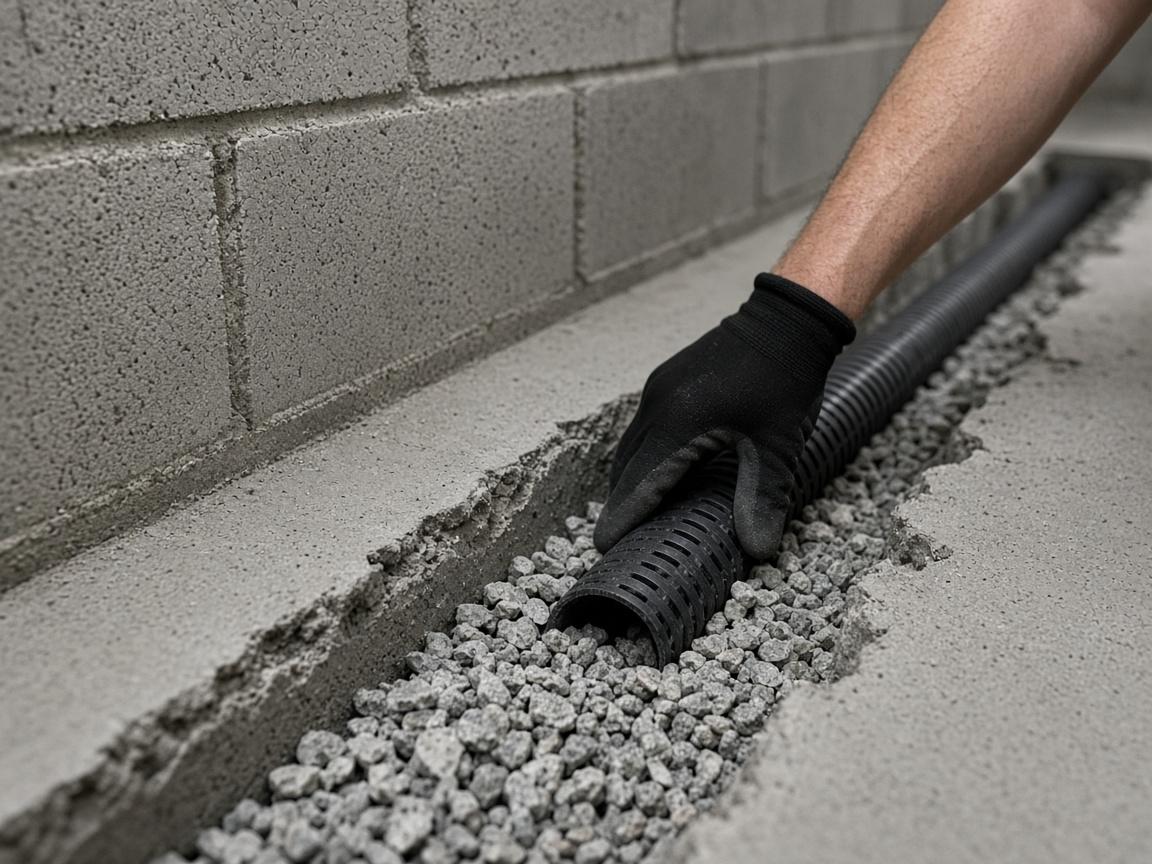
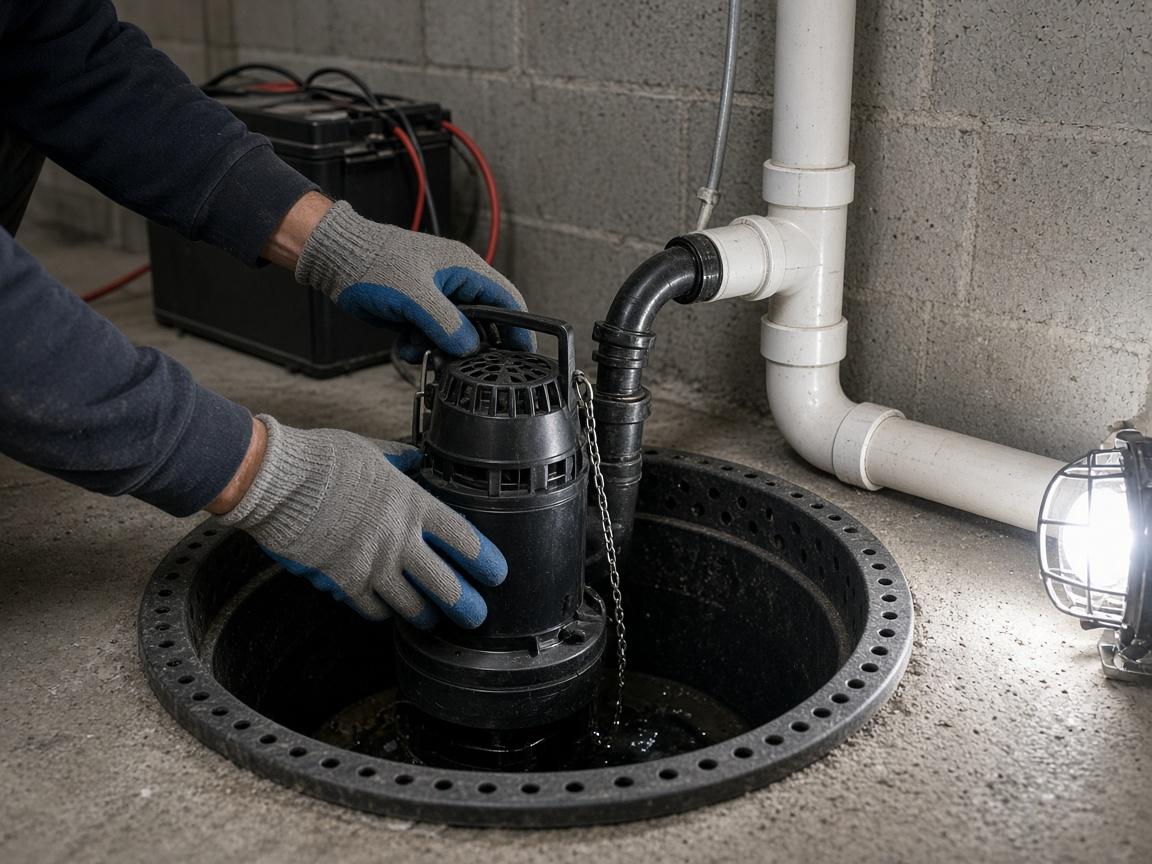
Interior Drainage + Sump System
$5,000–$12,000For properties where the water table issue is ongoing and grade correction isn't sufficient, a perimeter drain system with sump pump manages water after it enters the foundation envelope.
Dehumidification System
$1,500–$3,000 installedA whole-basement dehumidifier (or crawl space dehumidifier) with automatic humidity control and continuous drain reduces relative humidity to below mold threshold regardless of outdoor conditions.
Full Exterior Waterproofing
$150–$350 per linear footWhere the source is clearly exterior and the budget supports it, exterior excavation, membrane application, and new weeping tile installation is the comprehensive permanent solution.
Cost ranges are estimates based on Toronto-area market conditions. Actual pricing depends on scope, access, and site conditions. A written quote follows assessment.
Questions About Wet Basement in Toronto
Why does my basement smell like mold but I can't see any?
Mold often grows in hidden locations — behind drywall, under flooring, on the backside of insulation, or on the subfloor above a crawl space. If you can smell it, it's there. Moisture meter readings and sometimes thermal imaging can locate active moisture zones without opening walls.
Will a dehumidifier alone fix my wet basement?
For condensation-source moisture, yes — a properly sized dehumidifier is the right tool. For actual water infiltration — seepage through cracks, the cove joint, or the block wall — a dehumidifier will remove the humidity from evaporated water but won't stop the water from entering. You'll still see damage and have a mold risk.
At what point should I stop treating symptoms and do full waterproofing?
When you've addressed grading, downspouts, and cracks and still have active seepage during wet periods — and when you have any finished living space at risk of water damage — full waterproofing makes economic sense. The cost of one major flood (damaged flooring, drywall, furniture, HVAC) typically exceeds the cost of proper waterproofing.
Get a Wet Basement Assessment
Tell us what you're seeing and we'll schedule an on-site visit.
Request Assessment(647) 370-0382What's Included
Ready to Fix Your Wet Basement Problem?
Toronto Foundation Repair Pros provides written foundation assessments across Toronto and the GTA. No pressure, no commission-based selling.