Basement Waterproofing in Toronto & the GTA
A Dry Basement Starts at the Foundation
What You Need to Know
Basement waterproofing is the single most requested foundation service we perform across the GTA — and the one most riddled with misinformation. Paint-on products marketed as 'waterproofing' are sealers at best. Real waterproofing means managing water movement through, around, and beneath your foundation — not just coating the visible surface.
Toronto's geology works against basement dryness. Much of the city sits on Lake Iroquois beach sediments — fine sand and silt that transmit water readily — overlaid in many neighbourhoods by Leda clay, which expands when wet and contracts when dry. Both conditions drive moisture toward your foundation walls and floor slab. The spring thaw, combined with frequent summer storm events, creates seasonal peaks of hydrostatic pressure that poorly waterproofed basements simply can't handle.
There are two fundamentally different approaches to basement waterproofing: exterior and interior. Exterior systems address the problem at the source. Interior systems manage water after it enters. Both have legitimate applications, and the right choice depends on your foundation type, water source, basement use, and budget. We assess all four factors before recommending anything.
Signs You May Need Waterproofing
Why It Happens: Common Causes
Failed or Missing Weeping Tile
Original weeping tile in Toronto homes built before the 1990s was perforated clay pipe that crushes, clogs with soil fines, and eventually fails entirely. When the drainage system stops working, water builds up against the foundation.
Poor Lot Grading
Soil that slopes toward the house rather than away from it channels roof and surface runoff directly toward the foundation wall. Proper grade is 1 inch per foot for 6 feet away from the structure.
Disconnected or Undersized Downspouts
Each downspout extension that terminates within 3 feet of the foundation dumps hundreds of litres of roof runoff directly into the soil adjacent to your basement wall every rainstorm.
Deteriorated Original Dampproofing
Homes built before exterior waterproof membranes were code-required (pre-1980s) typically have only a bitumen dampproof coating — not waterproofing. This coating breaks down over 30–40 years.
Lateral Crack Paths
Any crack in the foundation wall — tie rod holes, cold joints, shrinkage cracks — becomes a water infiltration pathway under hydrostatic pressure, regardless of the original wall condition.
Window Wells Without Drainage
Below-grade window wells that lack drainage rock and a bottom drain become water collection bowls. In heavy rain, they can fill faster than surrounding soil drains, forcing water through the window frame.
Repair Methods & Typical Costs
Exterior Waterproofing Membrane
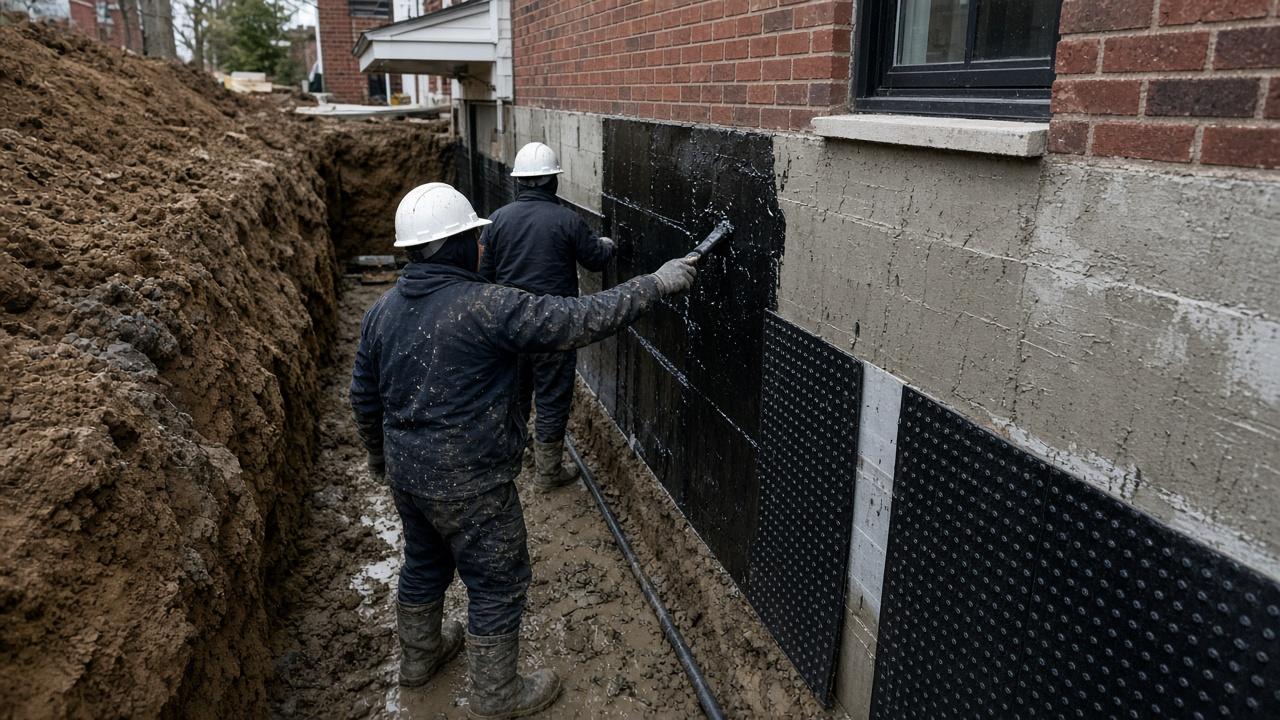
$150–$350 per linear footExcavation along the exterior wall to footing depth, followed by application of a rubberized waterproof membrane (not dampproofing) and installation of drainage board to protect the membrane and channel water to new weeping tile. The gold standard for a permanent solution.
Interior French Drain System
$80–$150 per linear footA perimeter channel is cut along the interior footing, a perforated drain pipe is installed in washed gravel, and the system drains to a sump pit. Highly effective where exterior excavation isn't practical — finished basements, tight lots, proximity to neighbouring structures.
Sump Pump System
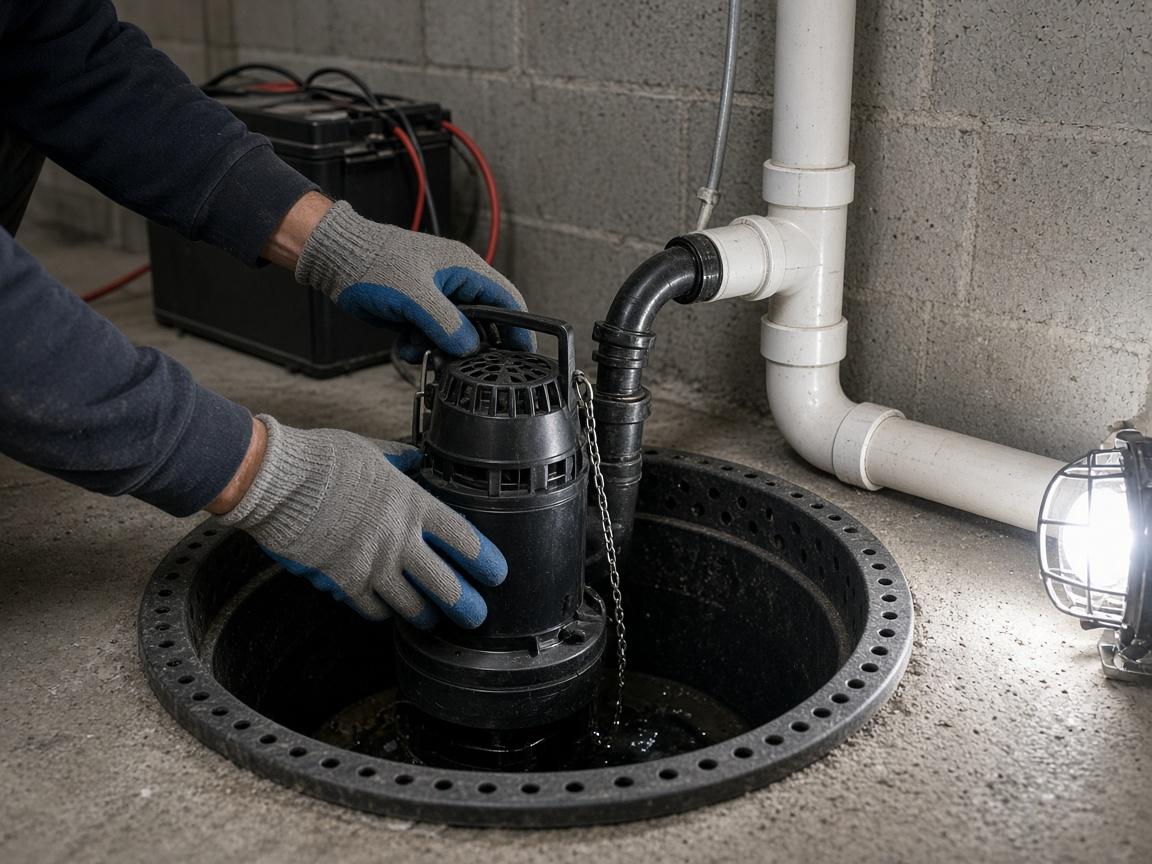
$1,500–$3,500 installedA submersible sump pump is installed in a pit at the lowest point of the basement floor, designed to activate automatically and discharge collected groundwater away from the foundation. Often paired with interior or exterior drainage systems.
Waterproof Dimple Mat (Interior)
$20–$40 per sq ft installedA studded polyethylene sheet is fastened to the interior wall above the footing, creating an air gap that redirects wall seepage to the floor drain or sump system without the water touching finished surfaces.
Crystalline Waterproofing Compound
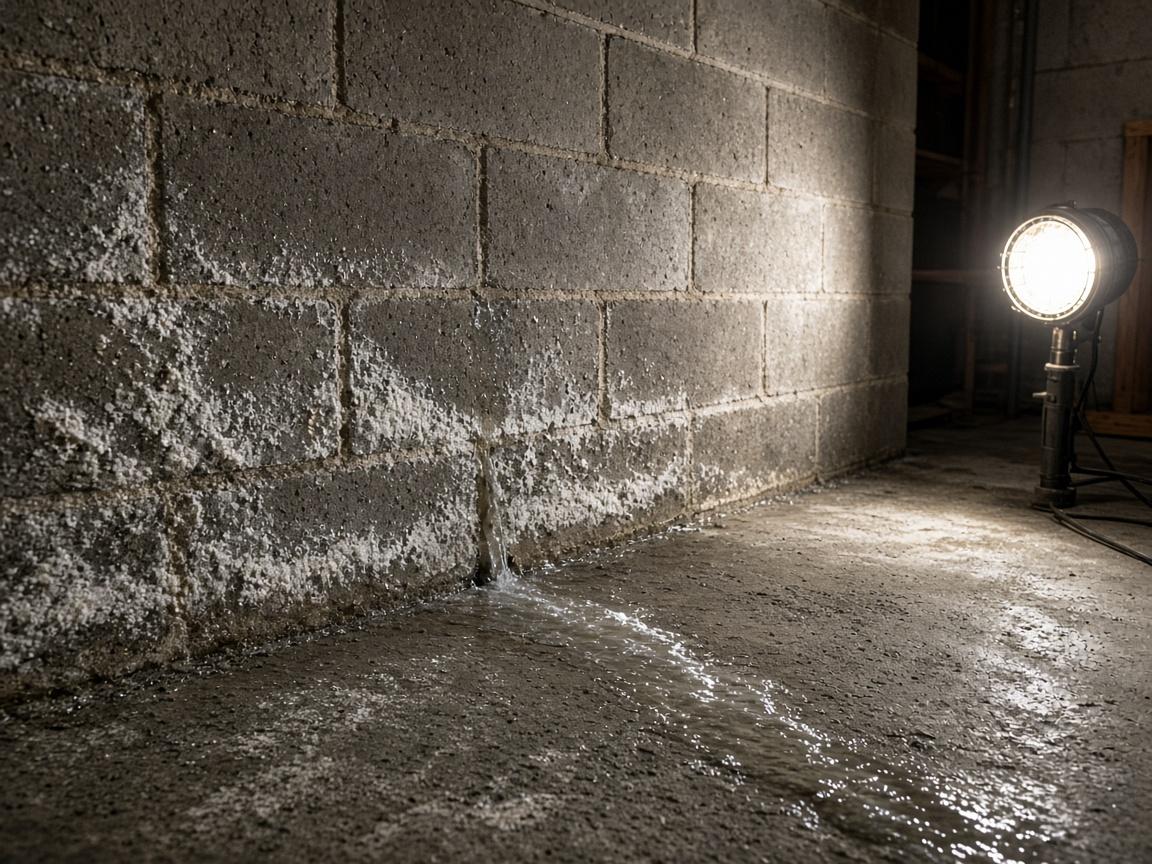
$10–$18 per sq ftApplied to interior or exterior concrete surfaces, crystalline materials react with water and concrete minerals to permanently seal capillary pores. Particularly effective in block foundations with diffuse seepage.
Injection Grouting
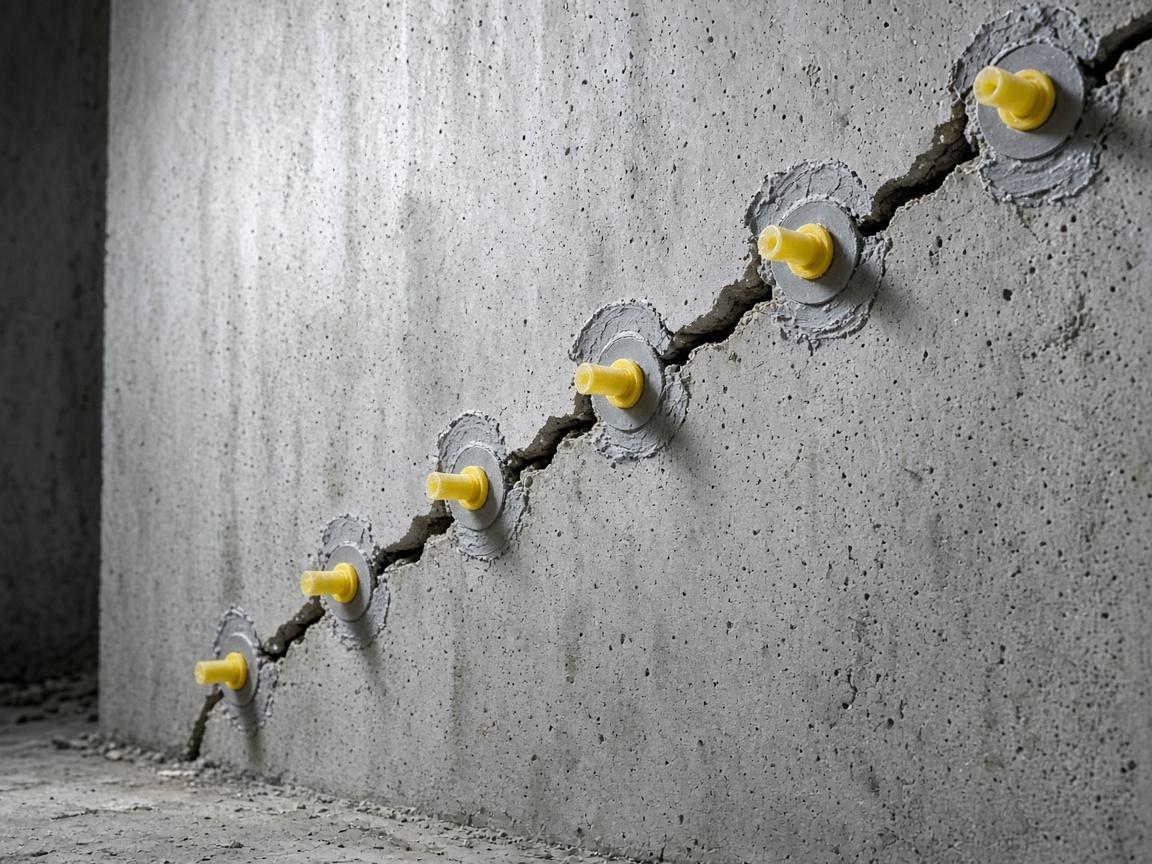
$500–$1,500 per injection pointPolyurethane or micro-silica grout injected through the wall at strategic points to fill voids in the soil-foundation interface and seal specific infiltration pathways. Used when water source is concentrated at a few points.
Cost ranges are estimates based on Toronto-area market conditions. Actual pricing depends on scope, access, and site conditions. A written quote follows assessment.
Questions About Waterproofing in Toronto
Should I waterproof before or after finishing the basement?
Always before. Installing drywall, flooring, and framing over an unresolved moisture problem is expensive — when the water comes through, and it will, the cost of removing finished materials, doing the waterproofing, and refinishing doubles or triples the project cost. Fix the water problem first, wait one full season to confirm it's resolved, then finish.
Is interior waterproofing a permanent fix?
Yes — but it's managing water rather than stopping it at the source. A properly installed interior French drain system with a quality sump pump will keep your basement dry indefinitely, provided the pump is maintained and the system is protected from silt infiltration. If the exterior membrane and weeping tile have fully failed, interior is often the most cost-effective long-term approach.
How do I know if my waterproofing warranty is worth anything?
Transferable warranties from established contractors mean something. The key terms to check: does it cover labour and materials or just materials? Is it transferable if you sell? Does it cover interior and exterior systems? We provide written warranty documentation for every waterproofing job we complete.
Will basement waterproofing increase my home's resale value?
In Toronto's market, a documented dry basement is a meaningful selling point. Many buyers request inspection reports on drainage and foundation condition. More importantly, an undisclosed wet basement can crater a sale entirely or result in a price reduction far larger than what the waterproofing would have cost.
Get a Waterproofing Assessment
Tell us what you're seeing and we'll schedule an on-site visit.
Request Assessment(647) 370-0382What's Included
Ready to Fix Your Waterproofing Problem?
Toronto Foundation Repair Pros provides written foundation assessments across Toronto and the GTA. No pressure, no commission-based selling.