Sump Pump Installation & Service in Toronto & the GTA
Your Last Line of Defence Against a Flooded Basement
What You Need to Know
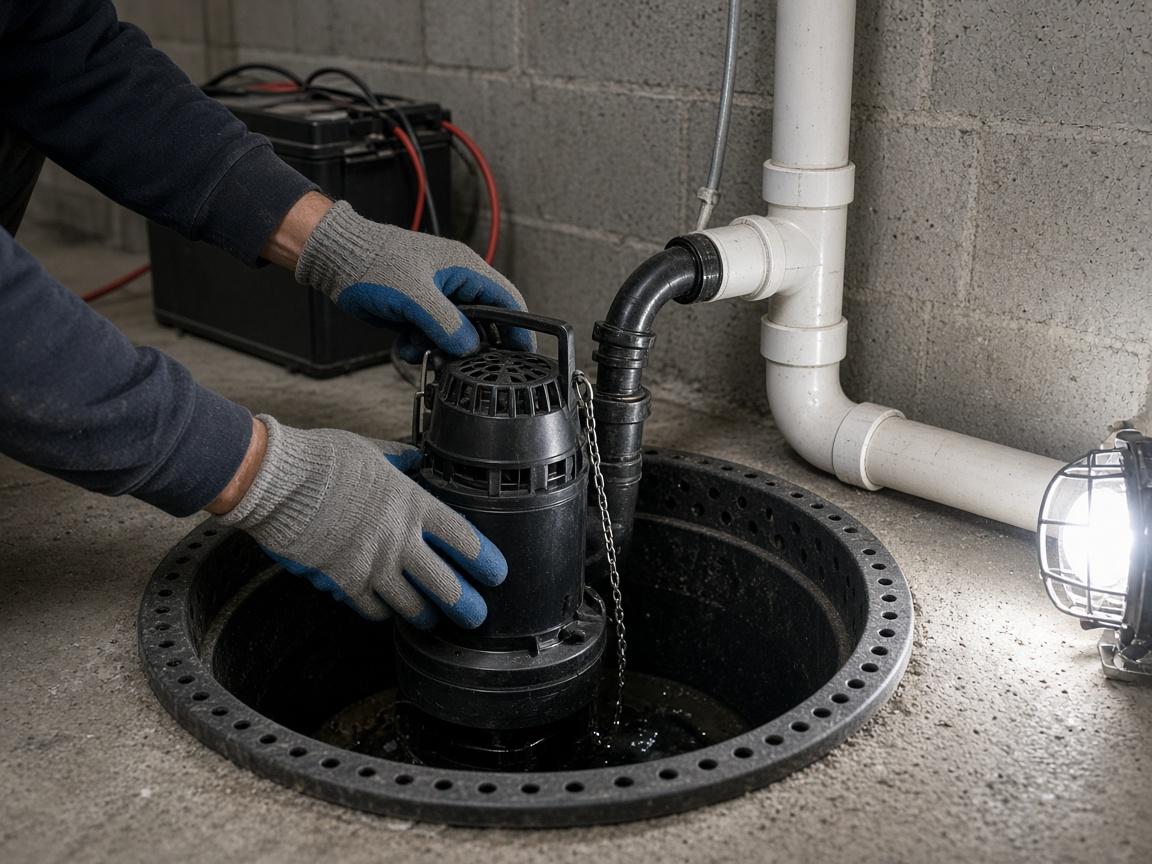
A sump pump is the last line of defence against a flooded basement — and it's only as good as the system it's installed in. We've seen too many Toronto basements flood because the pump was undersized, the pit was too shallow, or the homeowner discovered on a stormy Saturday night that there was no battery backup when the power went out.
Sump pump sizing is engineering, not guesswork. The pump's GPH (gallons per hour) capacity needs to exceed the maximum anticipated inflow rate, with headroom for the vertical lift to the discharge point. Undersized pumps run continuously during peak inflow events, overheat, and fail at precisely the worst time. Oversized pumps cycle too frequently, reducing motor life. Getting the spec right matters.
The pit matters as much as the pump. A properly sized pit (typically 18–24 inches diameter, 24–36 inches deep in Toronto conditions) gives the pump adequate drawdown to prevent short-cycling. The liner needs to be perforated to allow groundwater entry and slotted to prevent soil fines from entering the pit and fouling the pump.
Signs You May Need Sump Pumps
Why It Happens: Common Causes
High Groundwater Table
Properties near ravines, creeks, or in low-lying neighbourhoods may have a water table that seasonally rises to near or above the footing elevation. A sump system is the permanent management solution for these conditions.
Inadequate Lot Drainage
Surface runoff that isn't directed away from the foundation collects against the footing and eventually percolates into the sump collection zone — especially in lots with flat or negative grade.
Failing Weeping Tile
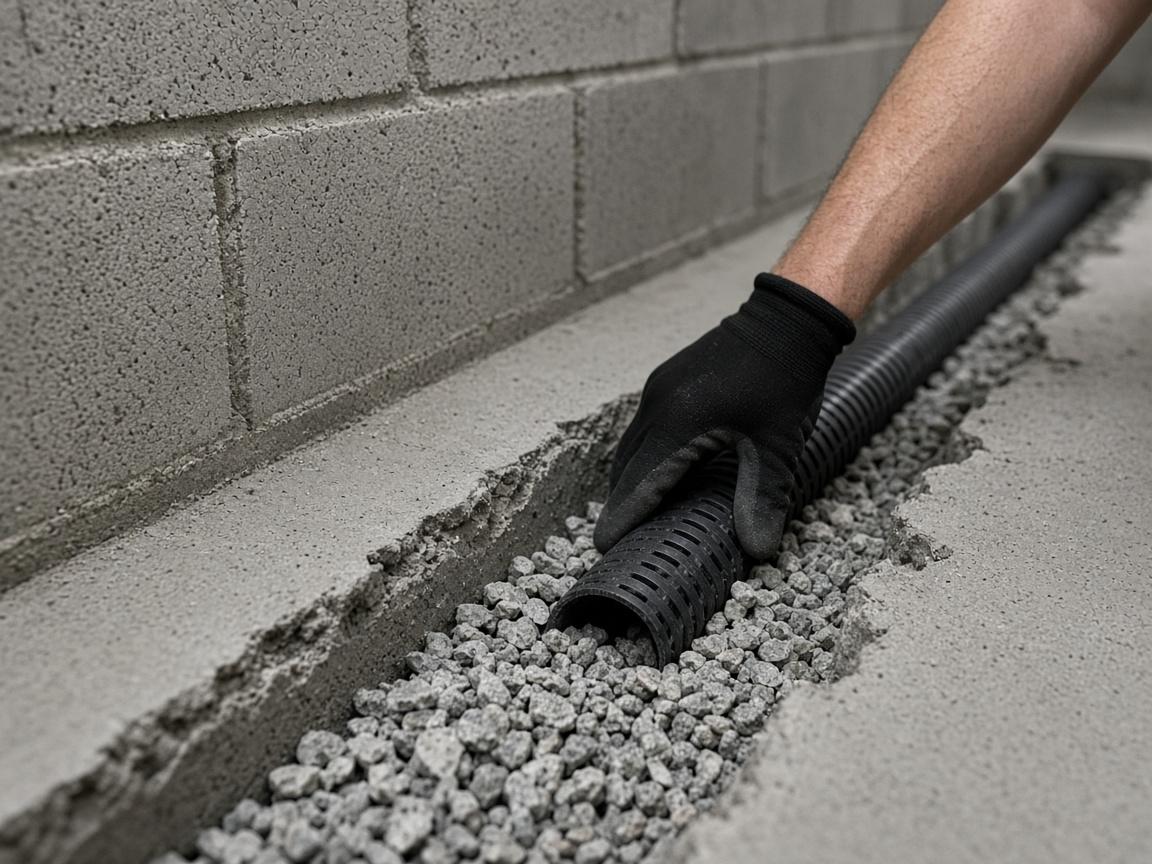
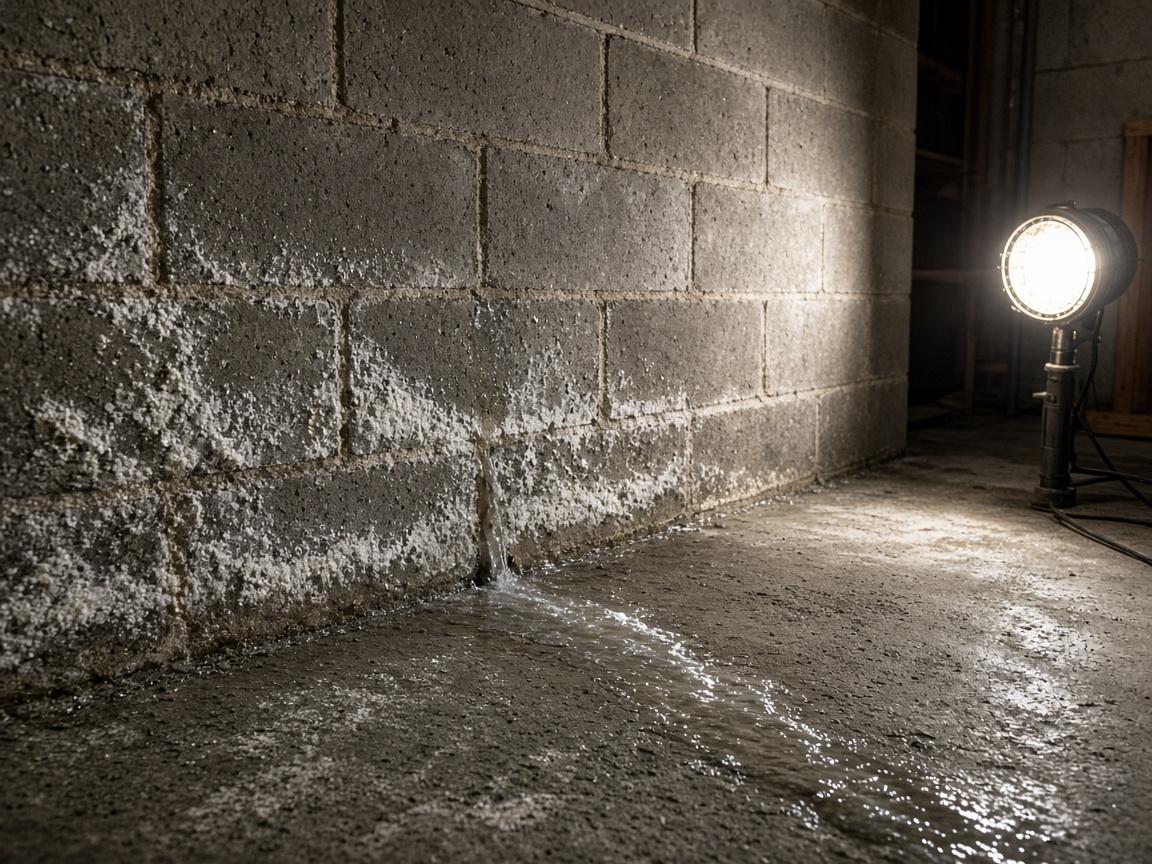
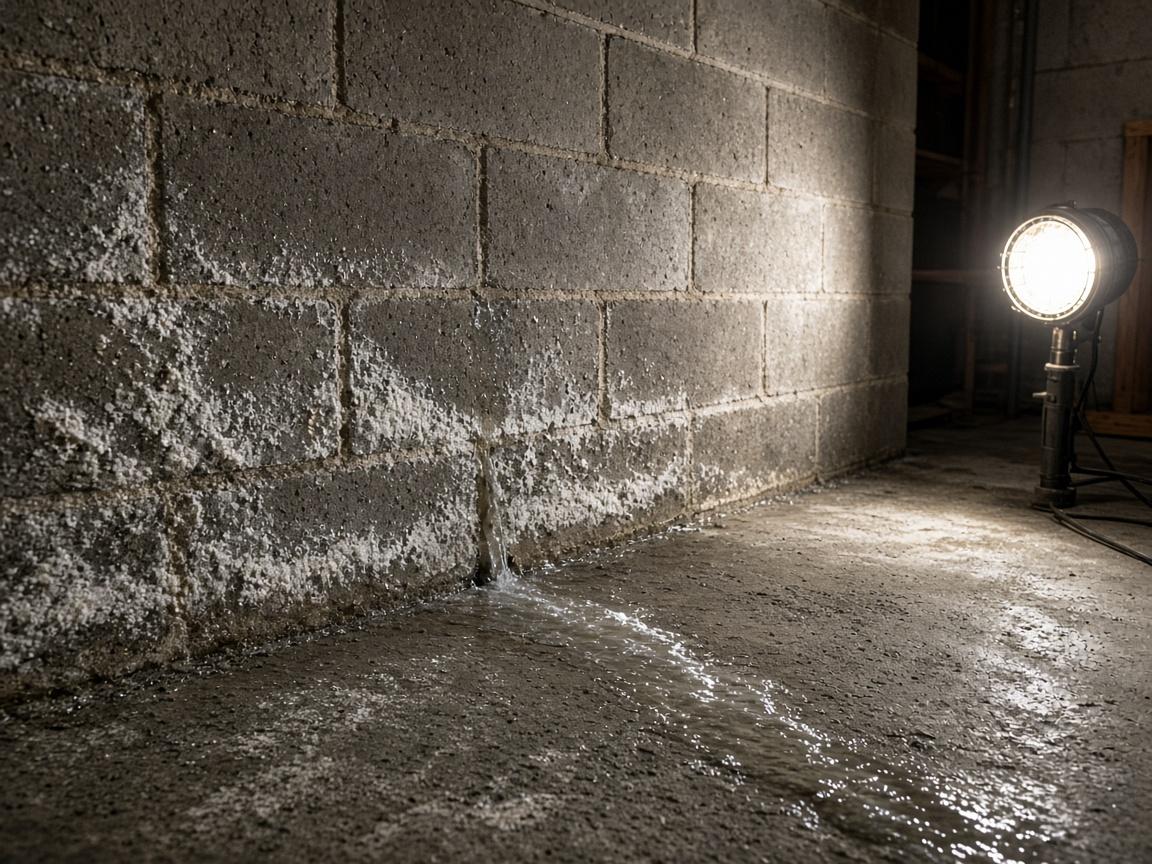
When perimeter weeping tile is operational, it directs groundwater to the sump pit as designed. When it fails, groundwater takes the path of least resistance — through cracks and cove joints into the basement. A sump system is often the practical replacement for failed weeping tile that can't be economically replaced.
Floor Drain Backflow
In extreme rain events, the municipal storm sewer can surcharge and back up through the floor drain — a separate problem from groundwater but a significant basement flood risk in many Toronto neighbourhoods.
Repair Methods & Typical Costs
Primary Submersible Sump Pump
$800–$2,000 installedA submersible pump installed in a properly sized and lined sump pit, with a float-activated switch and a dedicated discharge line to daylight or the storm sewer. Sized to the specific groundwater inflow rate of the property.
Battery Backup Sump System
$600–$1,500 add-onA secondary pump powered by a 12V marine battery installed in the same pit. Activates automatically when the primary pump fails or power is lost. Standard battery gives 8–12 hours of runtime at normal flow rates.
Water-Powered Backup Pump
$400–$900 add-onA backup pump that runs on municipal water pressure, requiring no electricity. Uses Venturi principle to draw sump water out. No battery maintenance required, but uses municipal water in the process — appropriate where city water pressure is reliable.
Combination Primary + Backup System
$1,800–$3,500 installedA single unit that integrates both the primary submersible pump and a battery backup into one assembly, with a smart controller that monitors both pumps and sends alerts via WiFi when the backup activates or batteries need replacement.
Discharge Line Installation & Rerouting
$300–$800Proper discharge line routing — with a check valve to prevent backflow, an air relief hole to prevent airlock, and termination point that drains away from the foundation — is essential to pump performance. We replace improper discharge lines as part of most installations.
Cost ranges are estimates based on Toronto-area market conditions. Actual pricing depends on scope, access, and site conditions. A written quote follows assessment.
Questions About Sump Pumps in Toronto
How long does a sump pump last?
A quality submersible pump properly installed in an appropriate pit has a lifespan of 7–12 years in normal service. Pumps in high-water-table properties that run frequently during spring thaw will wear faster. We recommend proactive replacement at 8–10 years rather than waiting for failure.
Do I need a sump pump if I have interior waterproofing?
Yes. Interior waterproofing systems — French drains, perimeter channels — collect water and route it to a sump pit. Without the pump, that collected water fills the pit and backs up into the basement. The pump is the active component that actually removes the water from your property.
Can I install a sump pump myself?
The pump itself is a consumer product available at hardware stores. But the pit excavation, liner installation, discharge line routing, and electrical connection (the pump requires a dedicated GFCI circuit under Ontario electrical code) are not DIY tasks in most cases. Improper discharge routing is the most common problem we fix on self-installed systems — water terminating within 3 feet of the foundation recharges the pit immediately.
What should I do during a power outage in a storm?
If you have a battery backup, nothing — it activates automatically. If you don't have a backup, the immediate priority is monitoring the pit level. Most hardware stores sell a hand-operated bilge pump that can be used temporarily. Longer term, a battery backup is the single most cost-effective upgrade available for any sump system.
Get a Sump Pumps Assessment
Tell us what you're seeing and we'll schedule an on-site visit.
Request Assessment(647) 370-0382What's Included
Related Services
Ready to Fix Your Sump Pumps Problem?
Toronto Foundation Repair Pros provides written foundation assessments across Toronto and the GTA. No pressure, no commission-based selling.